
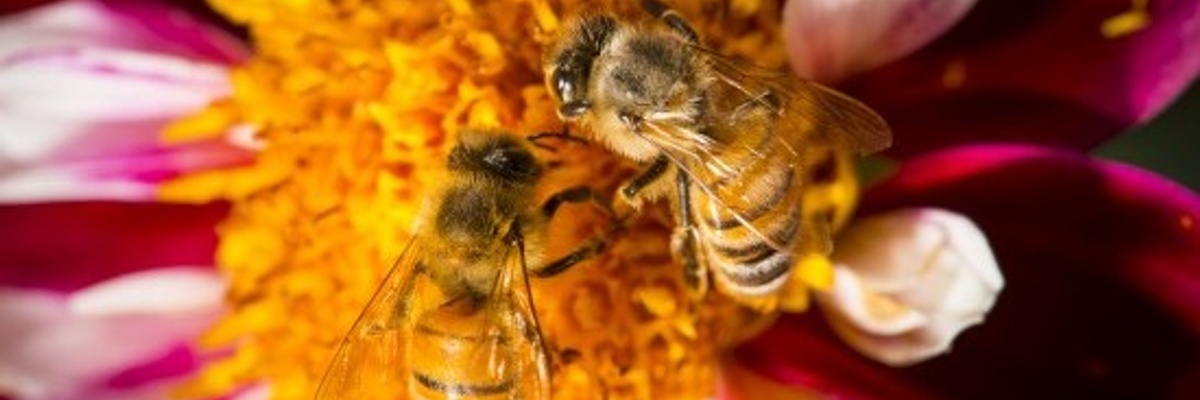

Transform any outdoor space into a thriving pollinator habitat using region-specific plant guides, supporting local bees, butterflies, and other essential pollinators while strengthening food security and biodiversity in your community.
"Your guide has opened up a whole new area of ecological observation and quick reference as to what species of pollinators use what plants as well as an opportunity through personal observation as to what additional pollinator are important . All ...
Funda kabanzi
Dala ikhasi lakho lephrojekthi
Chofoza inkinobho yokuqala eluhlaza ukuze ubhalise futhi usethe ikhasi lakho lephrojekthi. Kuyashesha, kumahhala futhi kulula.
Qedela i Inselele Yezinsuku ezingama-30
Qedela izinyathelo ezilula ezinsukwini ezingu-30 ukuze uqale iphrojekthi yakho futhi ufinyelele uxhaso.
Yenza iphrojekthi yakho isebenze
Landela umhlahlandlela wezinyathelo ezi-5 kanye nohlelo lwakho lokusebenza ukuze wenze iphrojekthi iphile.
Yabelana ngomthelela
Yabelana ngesifinyezo somthelela ukuze ufinyelele uxhaso olusele futhi uqhubeke nephrojekthi yakho.
 Kuhle ku
 Umhlahlandlela wesinyathelo ezi 5
 Isikhathi
Okuphakanyisiwe: 2-6 hours per week, with more intensive time during initial setup and planting phases
Ulwazi olwengeziwe mayelana nokuthi ungaqala kanjani nanoma yiziphi izinsiza ezabiwe yi- Pollinator Partnership
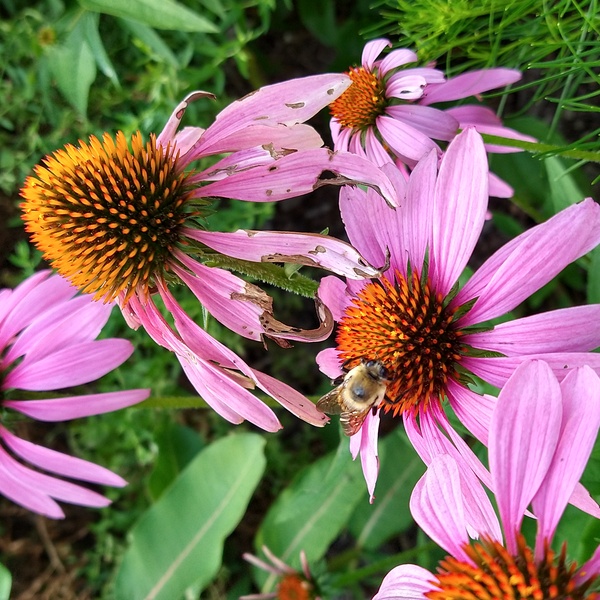

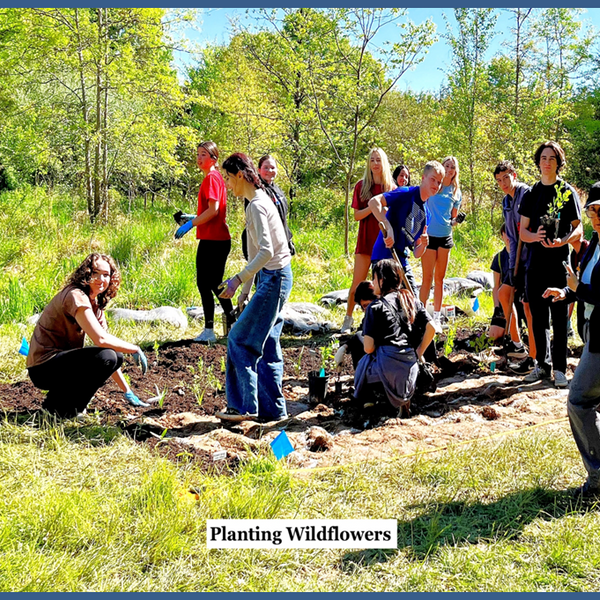
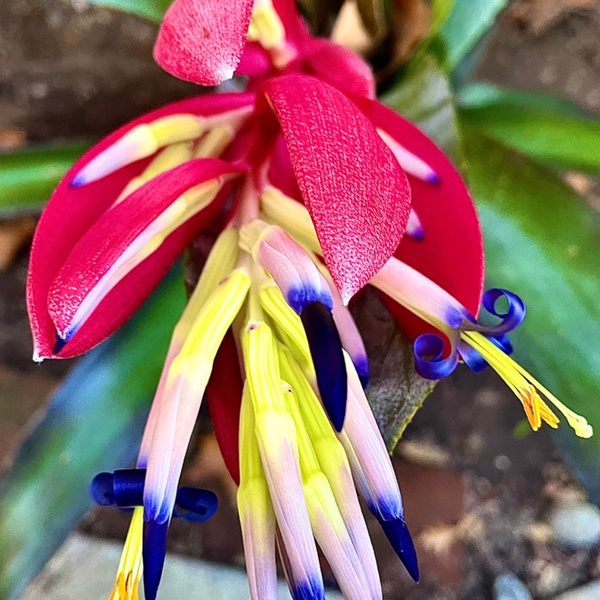
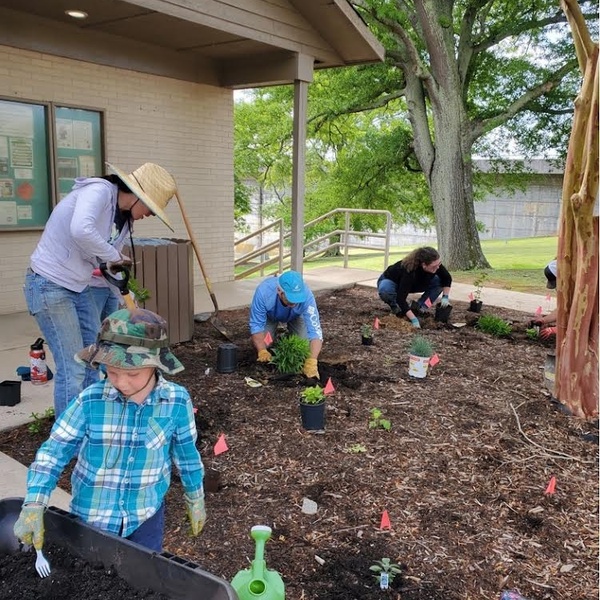
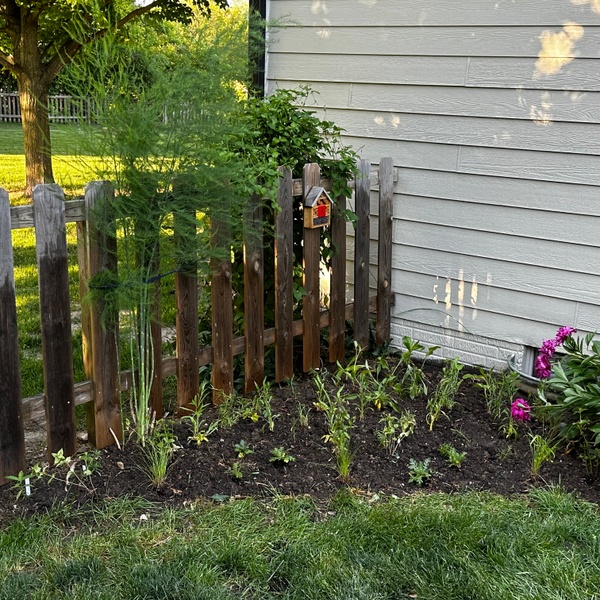
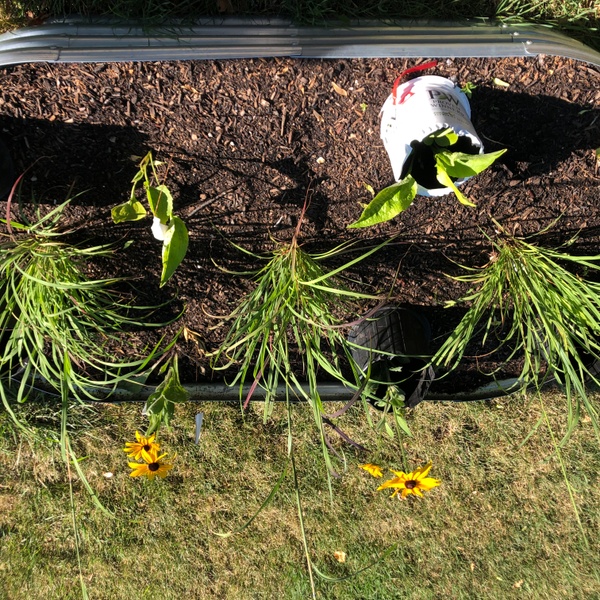
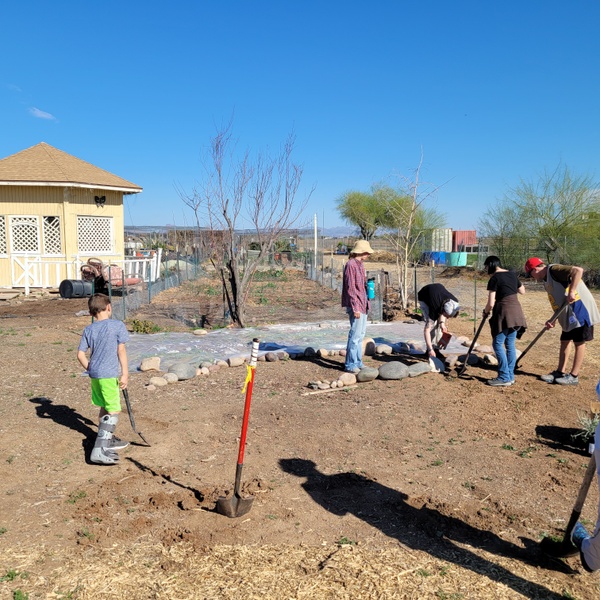
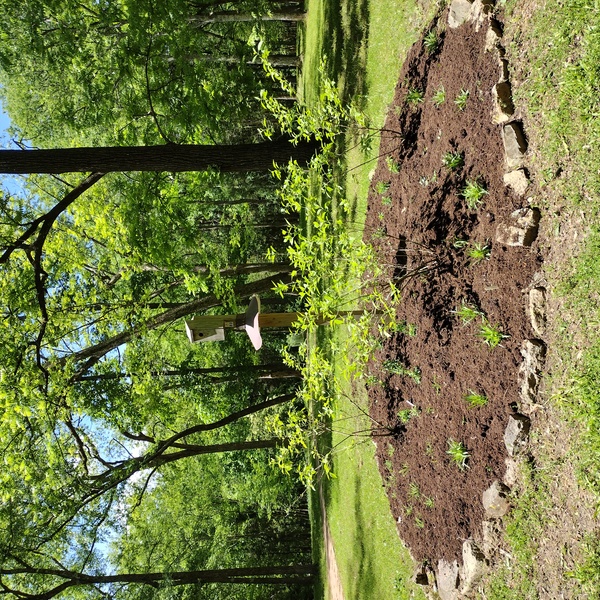
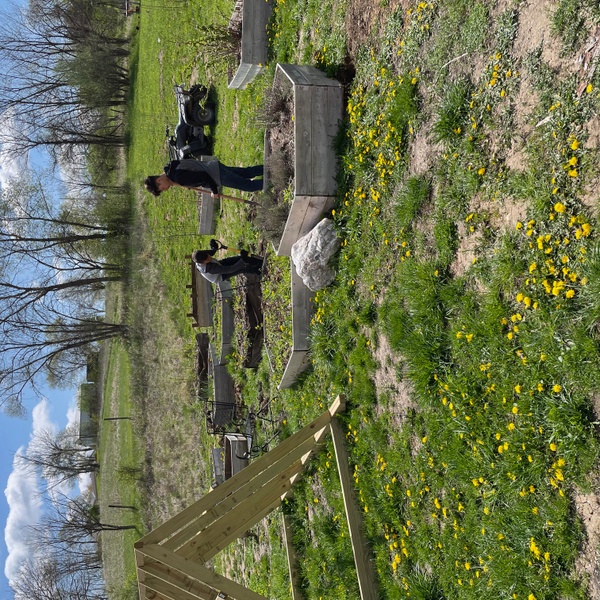
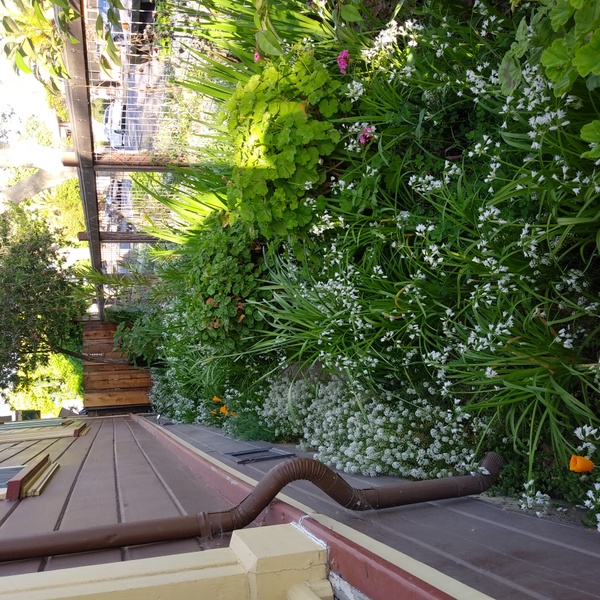
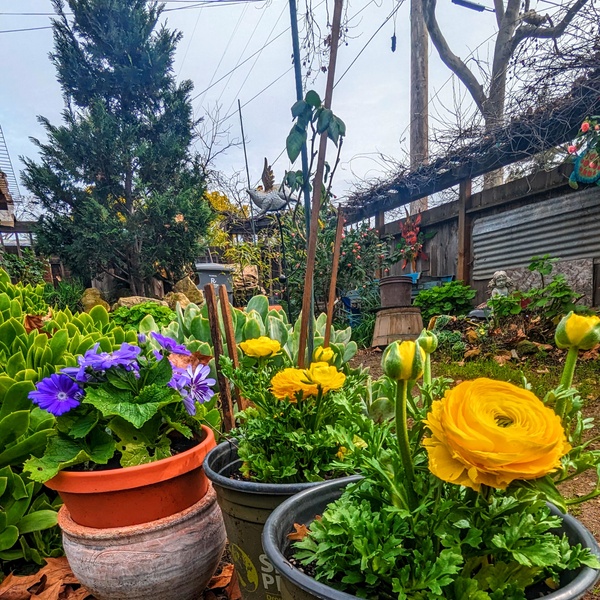
Whether you are a farmer of many acres, land manager of a large tract of land, or a gardener with a small lot, you can increase the number of pollinators in your area by making conscious choices to include plants that provide essential habitat for bees, butterflies, moths, beetles, hummingbirds, and other pollinators. Happy planting!




 Izinsiza