
Community Composting Chicago

Chicago, IL, USA, Cook County

Community Composting brings neighbours together to tackle food waste through collective action, making professional composting services accessible and affordable for everyone involved.

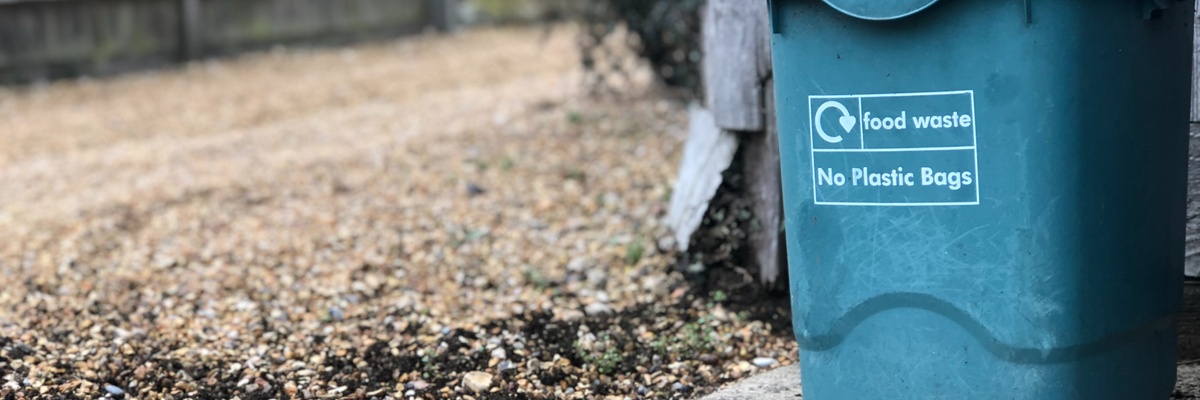
Food waste is the largest category of material in municipal landfills, where it creates methane, a powerful greenhouse gas. Individual home composting can't handle meat, cheese, bones, or biodegradable packaging, but community-scale collection provides enough volume for professional composting companies to process all organic waste effectively.

This initiative works for any community group—churches, schools, neighbourhood associations, workplaces, or community gardens. By pooling resources, you can employ a local composting company to collect from a centralised location, providing bins and regular pickups that handle all food waste and compostable materials.

The finished compost often returns to local farmers, creating higher-yield crops and reducing chemical fertiliser needs. If your group runs a community garden, you can use the compost directly to fertilise your soil. You'll receive starter kits, clear guidelines on what can be composted, and regular impact reports showing the weight of waste diverted and carbon emissions prevented.

Community Composting brings neighbours together to tackle food waste through collective action, making professional composting services accessible and affordable for everyone involved.

Food waste is the largest category of material in municipal landfills, where it creates methane, a powerful greenhouse gas. Individual home composting can't handle meat, cheese, bones, or biodegradable packaging, but community-scale collection provides enough volume for professional composting companies to process all organic waste effectively.

This initiative works for any community group—churches, schools, neighbourhood associations, workplaces, or community gardens. By pooling resources, you can employ a local composting company to collect from a centralised location, providing bins and regular pickups that handle all food waste and compostable materials.

The finished compost often returns to local farmers, creating higher-yield crops and reducing chemical fertiliser needs. If your group runs a community garden, you can use the compost directly to fertilise your soil. You'll receive starter kits, clear guidelines on what can be composted, and regular impact reports showing the weight of waste diverted and carbon emissions prevented.

Charisse  Clark
Charisse Clark

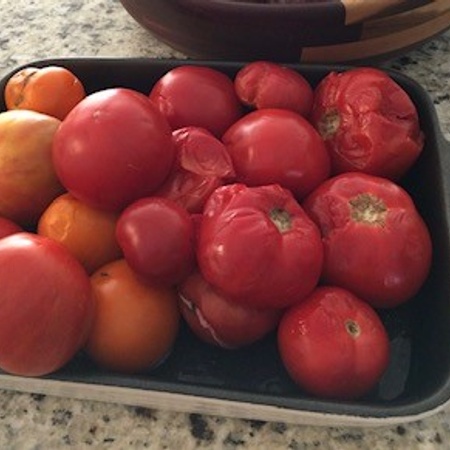
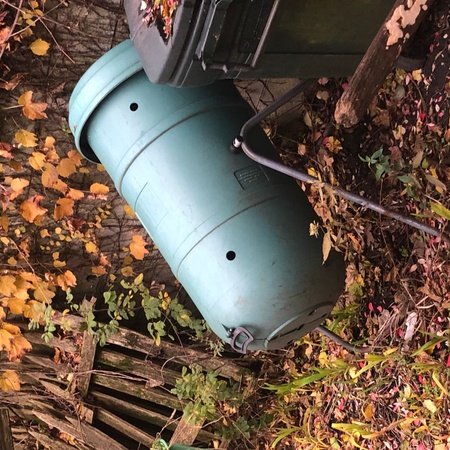
We started small with a few families agreeing to save scrapes, but it quickly grew to a consistent 20 -25 families bringing in about one pounds of kitchen scrape a week. We average about 80 - pounds a month of scrape that is added to the tumbler. After 6 months, we were collecting 150 to 200 pounds per month. The compost was used to feed the community garden. This project inspired another 25 individuals to start grading and composting in their backyard. The tomatoes grown using our own liquid gold had more flavor and bright color.
Charisse  Clark
Charisse Clark

We started small with a few families agreeing to save scrapes, but it quickly grew to a consistent 20 -25 families bringing in about one pounds of kitchen scrape a week. We average about 80 - pounds a month of scrape that is added to the tumbler. After 6 months, we were collecting 150 to 200 pounds per month. The compost was used to feed the community garden. This project inspired another 25 individuals to start grading and composting in their backyard. The tomatoes grown using our own liquid gold had more flavor and bright color.

jason james joined Community Composting Chicago a Community Composting group over 4 years ago
Charisse  Clark
Charisse Clark

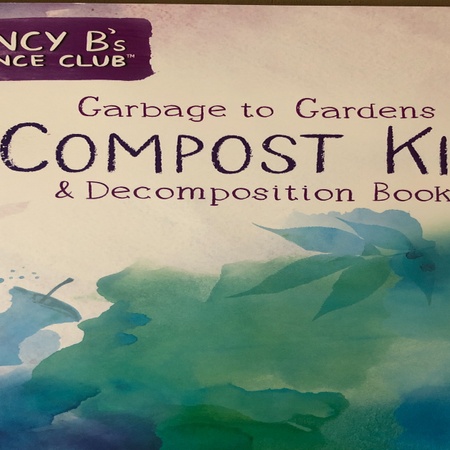
20 Families participated in saving fruit/vegetables waste at home and bringing to compost bins once week. Also local farmers market contributed to composting. After School kids learned about the science and chemistry of composting. We studied using the science kit- Garbage to Gardens compost kit.
Katelyn Clark joined Community Composting Chicago a Community Composting group over 5 years ago
Charisse  Clark
Charisse Clark

Team members John, Mariah and Charisse

Teen Reach joined Community Composting Chicago a Community Composting group over 5 years ago
John Clark joined Community Composting Chicago a Community Composting group over 5 years ago
Mariah Oates joined Community Composting Chicago a Community Composting group over 5 years ago
Charisse  Clark
Charisse Clark

Good Hope Community Composting will impact the community and the Good Hope Neighborhood Garden. The compost is very much needed for the health, chemical, and physical characteristics of the soil. Composting scraps are black gold for a healthy garden and earth. We can make a difference by educating the community on the benefits of composting and not filling the landfills with valuable food scraps. Recycling benefits the community by greener neighborhood, improved soil levels and social inclusion. We want to capture organic waste and use it in the community garden. Good Hope contributes to the health and environmental well-being of the Englewood Community. We will start educating 10 families to start composting at home and drop off their valuable scraps to Good Hope once a week. The scraps will be added to the compost tumbler located in the community garden. The compost will be used for the garden and shared with neighbors who have backyard gardens. The funding is needed to purchase the compost tumbler, family size compost bins and liners, educational materials and other garden tools.
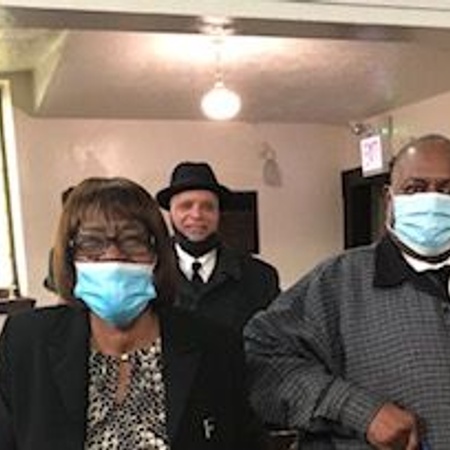
Charisse Clark joined Community Composting Chicago a Community Composting group over 5 years ago

About Community Composting Chicago

Upcoming Events

There are no upcoming events

Who's Involved

Charisse  Clark
Charisse Clark
Contact Person

Team & Members (6)

×