
Update,
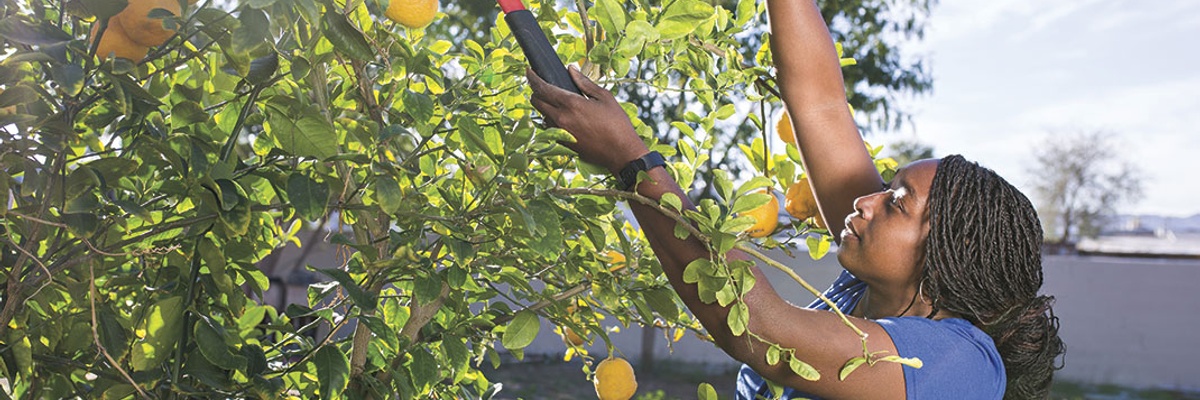
With the remaining $600, we purchased fencing, metal poles, a tamper, gloves and a snipper for pruning, protecting the trees and protecting our hands. We were able tp protect 5 trees from the deer, as we look toward finding the right balance of fenced area, and natural looking habitat.
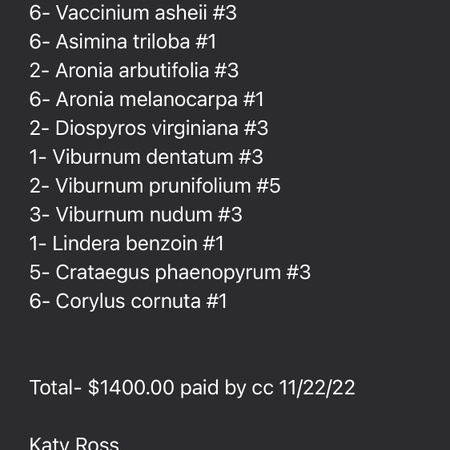
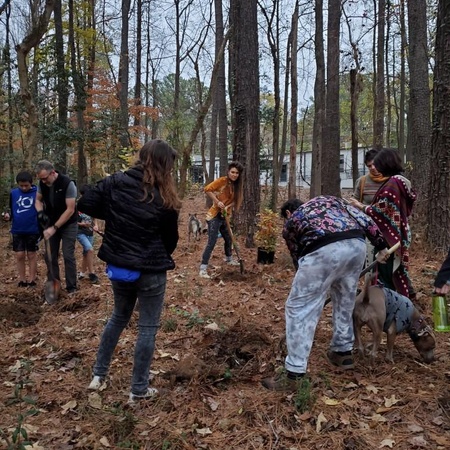
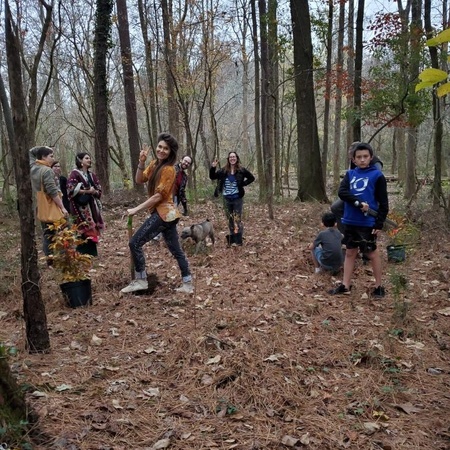
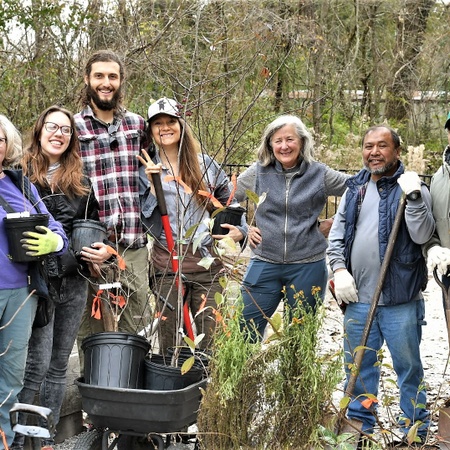
We met twice to plant 46 native fruit trees in Zonolite Park. Our partners at the park worked with us as we planned the best location for the fruit trees. Some trees like the Hawthorne, Viburnum, Serviceberry, and Hazelnuts were planted in higher ground in the forests or at the front of the park while the moist loving Aronia and swamp viburnums along with pawpaw and persimmon were planted in the deeper section of the forest. We had about 15-20 volunteers over the two days with many more of the neighbors volunteering to check on the plants over the course of the year. These plants helped to synergize with other trees planted a week prior as we were able to plant an understory near larger natives like the poplar and oak trees that were planted a week ago. Together we are working to revitalize a part of the forest that was essentially cleared so that we can help it heal. We are excited that we were able to teach our community and children about the value of native fruit trees.
During the year we plant to both check back in on our plants and also give free tours to teach about the native fruit plants, how to use them responsibly, and how people can plant these in their yards to increase local biodiversity. We will then add photos of the leaves, flowers, and fruits to iNaturalist so that people can learn about the native fruits, how to harvest and prepare them, and how to care for them.

Crataegus phaenopyrum - The Hawthorne plant has edible berries though the seeds should not be consumed. It is a great source of pectin and it creates vital habitat for native birds.
Lindera benzoin - the forest includes a host of recently planted Lindera or spice bush which thrive in river banks. These native shrubs give us tea, black pepper, and act as host to the spicebush swallowtail.
Viburnum nudum - this swamp viburnum will especially thrive in this forest.
From Wikipedia:
The fruit is eaten by wildlife, and deer browse the foliage.[4] It is a larval host to spring azures and hummingbird clearwing moths.[5]
Cuisine
The Abenaki use the fruit[8]: 152 and the grains of var. cassinoides [8]: 173 for food. The Algonquin people eat the berries of var. cassinoides.[9]
Medicinal use
The Cherokee have several medicinal uses for Viburnum nudum var. cassinoides. They take an infusion of it to prevent recurrent spasms, use the root bark as a diaphoretic and a tonic, and take a compound infusion of it for fever, smallpox and ague. They also use an infusion of the bark as a wash for a sore tongue.[10]
Viburnum prunifolium (known as blackhaw or black haw, blackhaw viburnum, sweet haw, and stag bush)
From wikipedia:
As food
The Meskwaki eat the fruit raw and also cook them into a jam.[8]
Medicinal
For centuries, black haw has been used for medical purposes, mainly for gynecological conditions. The bark is the part of the plant used in treatments.[4]
The active components include scopoletin, aesculetin, salicin, 1-methyl-2,3 dibutyl hemimellitate, and viburnin. Tannin is another chemical component of black haw.[4]
Native Americans used a decoction of black haw to treat gynecological conditions, including menstrual cramps, aiding recovery after childbirth, and in treating the effects of menopause.[6] As a folk remedy, black haw has been used to treat menstrual pain, and morning sickness. Due to its antispasmodic properties, the plant may also be of use in treating cramps of the digestive tract or the bile ducts.[4]
Black haw's primary use was to prevent miscarriages.[4] American slaveholders also used the plant to prevent abortions. Slaves were a valuable asset, and their owner also owned their offspring, so ensuring that female slaves gave birth was of paramount importance. In defiance, some slave women would attempt to use cotton seeds to cause a miscarriage. The slaveowners would therefore force pregnant slaves to drink an infusion of black haw to prevent that.[6]
The primary use of black haw today is to prevent menstrual cramps. The salicin in black haw may also be of use in pain relief.[6]
By specific Native American tribes
The Cherokee have several uses for the plant. They take an infusion of it to prevent recurrent spasms, use the root bark as a diaphoretic and a tonic, and take a compound infusion of it for fever, smallpox and ague. They also use an infusion of the bark as a wash for a sore tongue.[9] The Lenape combine the root bark with leaves of other plants and use it to strengthen female generative organs.[10] and use compound containing root bark as a tonic for the female generative organs.[11] The Mi'kmaq take an infusion of the plant before and during parturition.[12]
Viburnum dentatum - the arrowood viburnum is a high-fat fruit and native shrub in eastern forests.
From Wikipedia: Some moth larvae feed on V. dentatum. Known such species include the unsated sallow (or arrowwood sallow; Metaxaglaea inulta) and Phyllonorycter viburnella. It is also consumed by the viburnum leaf beetle (Pyrrhalta viburni), an invasive species from Eurasia.[1] The fruits are a food source for songbirds. Berries contain 41.3% fat.[2]
The fruits appear blue. The major pigments are cyanidin 3-glucoside, cyanidin 3-sambubioside, and cyanidin 3-vicianoside, but the total mixture is very complex.[3]
Native Americans used the young stems to make arrow shafts.[4]
Diospyros virginiana - Native Persimmon - these fruit trees offer one of the tastiest fall meals and one of the most delicious native fruits. The genus Diospyros translates to "fruit of the Gods" and good-tasting persimmons fit the bill. We planted two of these trees near a third that has been recently planted. These will likely help fertilize one another and we can bring more native fruit to our park :)
Aronia melanocarpa - Black Chokeberry. Similar to its Red Chokeberry cousin, these plants provide food for pollinators and animals while also offering shelter to smaller birds and animals. We believe it will grow well near the river bank.
Aronia arbutifolia - Red Chokeberry - these were the largest trees we purchased and they are already producing fruit. These fruits aren't the most delicious, but they are native, vital to our pollinators and birds, and able to be prepared by cooking to be made more palatable. These native rose fruits will grow easily in our flood banks and provide an understory for our local wildlife.
Asimina Triloba - aka Pawpaw, out native tropical fruit that can grow as large as half a pound. We planted 6 of these 1 gallon pawpaws around a young native mulberry. They are often found growing near one another, and this would ensure that they are not shaded out as quickly as if they were planted near other taller trees.
Vaccinium asheii - this is a blueberry cultivar that we planted near the gardens. Unfortunately, it was difficult to find noncultivated varieties, but we felt that it was worth growing blueberries since they are one of our tastiest native fruits. These were the only cultivars we planted.
Amalanchier canadensis - Candian Serviceberry aka june berry. In the rose family, and it has a delicious fruit. We planted these in full sun and together so that they can support one another.
Castanea pumila, Dwarf Chestnut, a native and not a cultivar. Chestnuts were one of the most important fruit trees in North America prior to the Chestnut Blight that killed 4 billion trees. These trees may be one way we can help increase genetic diversity and find a tree that can bring back chestnuts.
Impact Update
Thank you to CB, a volunteer who helped us transport these 46 native fruit trees. CB drove me up to Canton GA where he helped me load and unload these native fruit trees to Zonolite Park.