Maricopa Pollinator Pathway

Maricopa County, AZ, USA

Pollinator Partnership dà potere alle comunità aiutandole a creare habitat vitali per api, farfalle, uccelli e altri impollinatori, utilizzando guide di piantumazione scientificamente fondate e specifiche per ogni regione, che garantiscono la crescita delle piante più adatte all' ecosistema locale.

Gli impollinatori sono responsabili di un boccone di cibo su tre che mangiamo, ma le loro popolazioni stanno diminuendo rapidamente a causa della perdita di habitat. Questa iniziativa affronta la necessità urgente di spazi favorevoli agli impollinatori aiutando chiunque disponga di uno spazio all’aperto, dai piccoli giardini alle grandi aree comunitarie, a creare un habitat favorevole.

Il progetto è pensato per giardinieri, scuole, gruppi comunitari, agricoltori e appassionati di ambiente che vogliono fare la differenza in modo concreto. Lavorerai con un team per scegliere un sito adeguato, studiare gli impollinatori locali, selezionare piante autoctone utilizzando la guida ecologica gratuita e creare un habitat sostenibile.

La tua comunità ne beneficerà grazie al miglioramento della biodiversità locale, al rafforzamento della sicurezza alimentare, a nuove opportunità educative e a spazi verdi più belli. L’iniziativa genera un impatto ambientale duraturo e, al tempo stesso, unisce le persone attorno a un obiettivo comune di conservazione. Riceverai guide complete alla piantumazione, risorse per la manutenzione e supporto continuo per assicurarti che il tuo habitat prosperi e diventi un modello per altri.

Pollinator Partnership dà potere alle comunità aiutandole a creare habitat vitali per api, farfalle, uccelli e altri impollinatori, utilizzando guide di piantumazione scientificamente fondate e specifiche per ogni regione, che garantiscono la crescita delle piante più adatte all' ecosistema locale.

Gli impollinatori sono responsabili di un boccone di cibo su tre che mangiamo, ma le loro popolazioni stanno diminuendo rapidamente a causa della perdita di habitat. Questa iniziativa affronta la necessità urgente di spazi favorevoli agli impollinatori aiutando chiunque disponga di uno spazio all’aperto, dai piccoli giardini alle grandi aree comunitarie, a creare un habitat favorevole.

Il progetto è pensato per giardinieri, scuole, gruppi comunitari, agricoltori e appassionati di ambiente che vogliono fare la differenza in modo concreto. Lavorerai con un team per scegliere un sito adeguato, studiare gli impollinatori locali, selezionare piante autoctone utilizzando la guida ecologica gratuita e creare un habitat sostenibile.

La tua comunità ne beneficerà grazie al miglioramento della biodiversità locale, al rafforzamento della sicurezza alimentare, a nuove opportunità educative e a spazi verdi più belli. L’iniziativa genera un impatto ambientale duraturo e, al tempo stesso, unisce le persone attorno a un obiettivo comune di conservazione. Riceverai guide complete alla piantumazione, risorse per la manutenzione e supporto continuo per assicurarti che il tuo habitat prosperi e diventi un modello per altri.

Danielle Cowan
Danielle Cowan

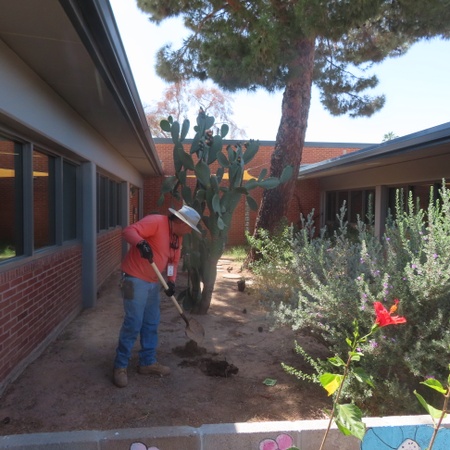
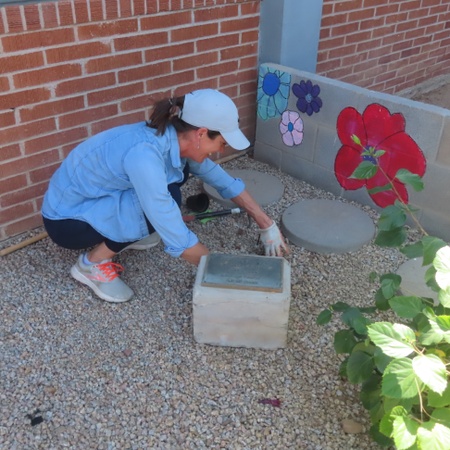
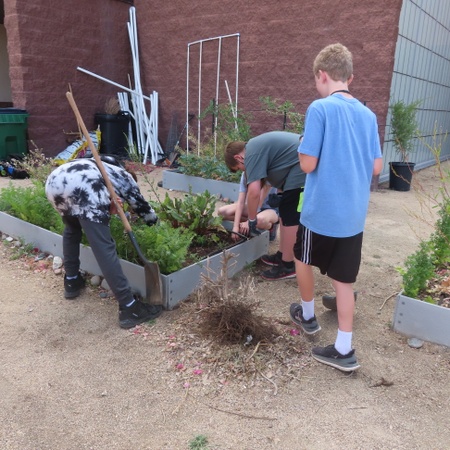
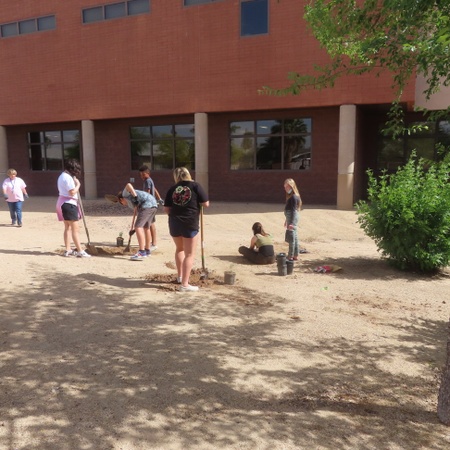
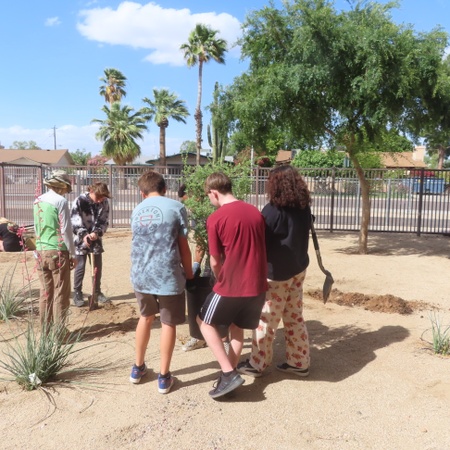
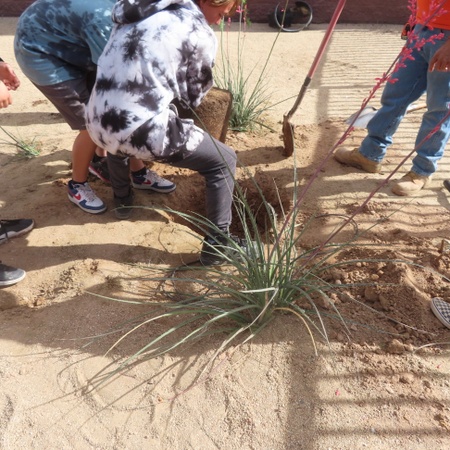
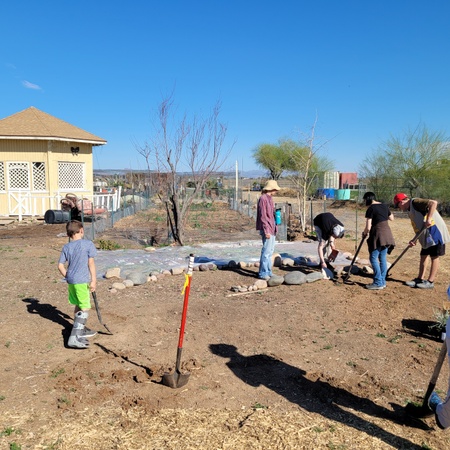
On April 29th we began planting at Navajo Elementary School in Scottsdale Arizona for what will become a core level pollinator garden in the Maricopa Pollinator Pathway. We planted desert marigold, yellow bells, New Mexico thistle, globemallow, sunflowers and chuparosa. A second planting in the Fall is planned.

Danielle Cowan
Danielle Cowan

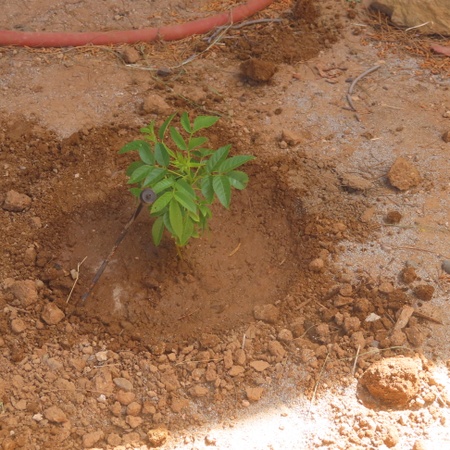
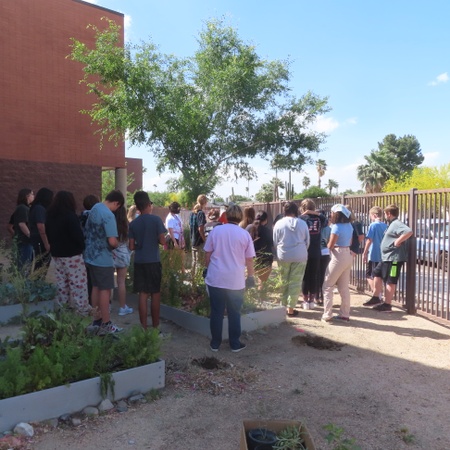
On April 22nd we did our first round of planting at Mohave Middle School in Scottsdale Arizona. A teacher and about 20 very enthusiastic seventh graders participated. We are creating a comprehensive level pollinator garden for the Maricopa Pollinator Pathway. On our planting list were: ironwood, globemallow, chuparosa, New Mexico thistle, yellow bells, and sunflowers. A second round of planting will be done in September/October once the worst of the summer's heat subsides.

Danielle Cowan
Danielle Cowan

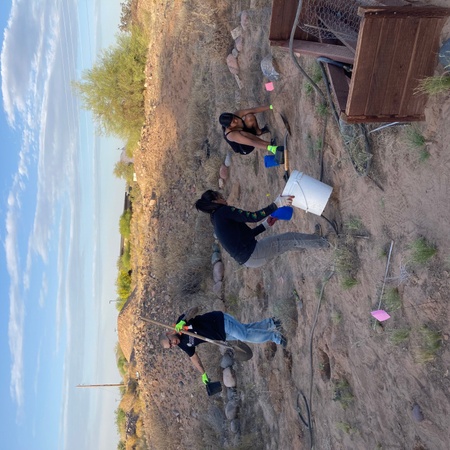
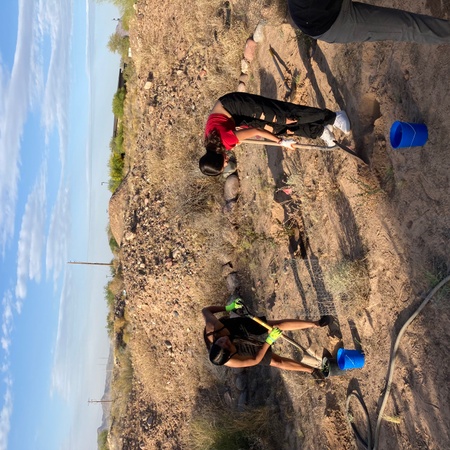
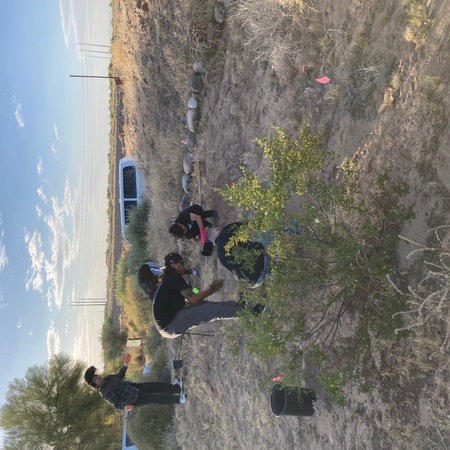
During the week of Earth Day, the Maricopa Pollinator Pathway project partnered with the Salt River Pima-Maricopa Indian Community’s (SRPMIC or Community) Environmental Protection and Natural Resources Division to help plant pollinator-friendly plants within the pollinator gardens at the Community’s demonstration treatment wetlands. The SRPMIC Way of Life Facility’s Youth Services Teens volunteered to help us with planting. The students learned about the Wetlands, how to properly plant, and about pollinators and the plants they enjoy.
In total, we planted 70 plants at two different sites, including ironwood, mesquite, creosote, globemallow, New Mexico thistle, desert marigold, chuparosa, and prickly pear. Both of the sites qualify as core level habitat in the Maricopa Pollinator Pathway, providing year round nectar/pollen, at least 3 larval host plant species, bare ground for native bee nesting habitat, no pesticide use, and other practices that benefit pollinators. Due to the harsh Sonoran desert summers, we have a second round of planting planned for Fall, where we will add many other nectar/pollen and larval host plants for pollinators.

Danielle Cowan
Danielle Cowan

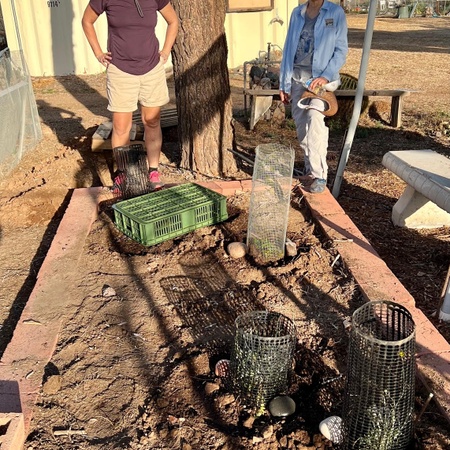
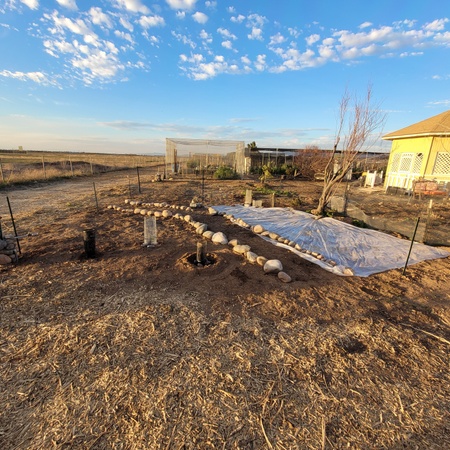
We have completed our first round of planting at the Scottsdale Community Garden Club! These are the first two gardens that are officially part of the Maricopa Pollinator Pathway. One garden is being designed as a "contributing level" pollinator garden and the other the "core level".

We planted the following plants so far, with more planned after our summer heat: New Mexico thistle (Cirsium neomexicanum), blackfoot daisy (Melampodium leucantha), globe mallow, (Sphaeralacea ambigua), desert lavender (Hyptis emoryi), chuparosa (Justicia californica), sunflowers (Helianthus annuus), prickly pear (Opuntia sp), desert marigold (Baileya multiradiata), penstemons (Penstemon sp), desert senna (Senna covesii) and chocolate flower (Berlandiera lyrata).

Jennifer Foltz Sweat iscritto Maricopa Pollinator Pathway una Pollinator Partnership (Partnership per gli impollinatori) gruppo oltre 4 anni fa
Danielle Cowan
Danielle Cowan

Action plan

Overall objective: Establish a pollinator habitat network across Maricopa County by identifying existing pollinator habitats and linking them together through outreach to residents, businesses, and other landowners who will be provided with support to create pollinator habitat. We will begin with a pilot proof of concept in the area adjacent to Scottsdale Community College’s (SCC) thriving pollinator habitat.

Objective for ChangeX grant funds: Establish several “anchor gardens” in the vicinity of Scottsdale Community College’s existing pollinator garden. This will be the first phase in establishing an interconnected pollinator pathway in Maricopa County; essentially a pilot proof of concept to help us move forward with engaging the larger community in developing pollinator habitat.

The “anchor gardens” will be built using pollinator habitat guidelines that have been established by an expert panel. These guidelines are specific to Maricopa County, while incorporating the best practices recommended by the Pollinator Partnership and other authoritative organizations. As we establish these anchor gardens we will outreach to residents and businesses located between the anchors and Scottsdale Community College to create more pollinator habitat.

How funds will be spent:
(1) Funding will be spent primarily to purchase plants
(2) Additional funds will be spent on gardening tools/equipment and plant signage
(3) We may also utilize funds for a Zoom account to continue to offer our free pollinator gardening workshops to the community

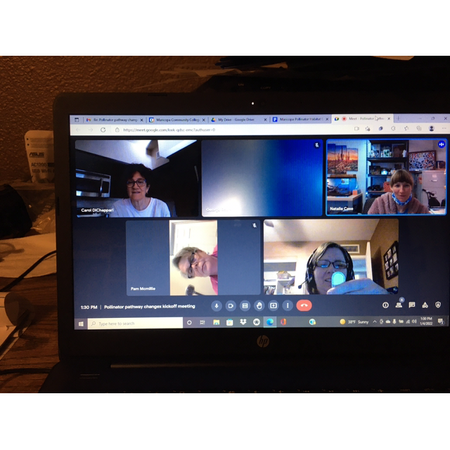
Team: We are building a team of folks to collaborate on this project from a wide range of organizations including the Maricopa Native Seed Library, the Center for Native and Urban Wildlife at Scottsdale Community College, the larger Maricopa Community College District, the Arizona Native Plant Society and others.

Informazioni Maricopa Pollinator Pathway

Prossimi eventi

Non ci sono eventi in programma

Chi è coinvolto

Danielle Cowan
Danielle Cowan
Persona di contatto

Team & Membri (27)

×