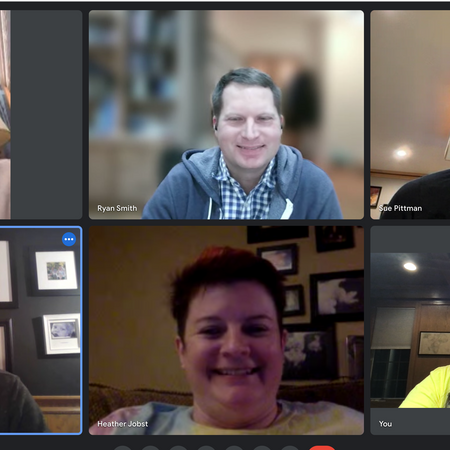
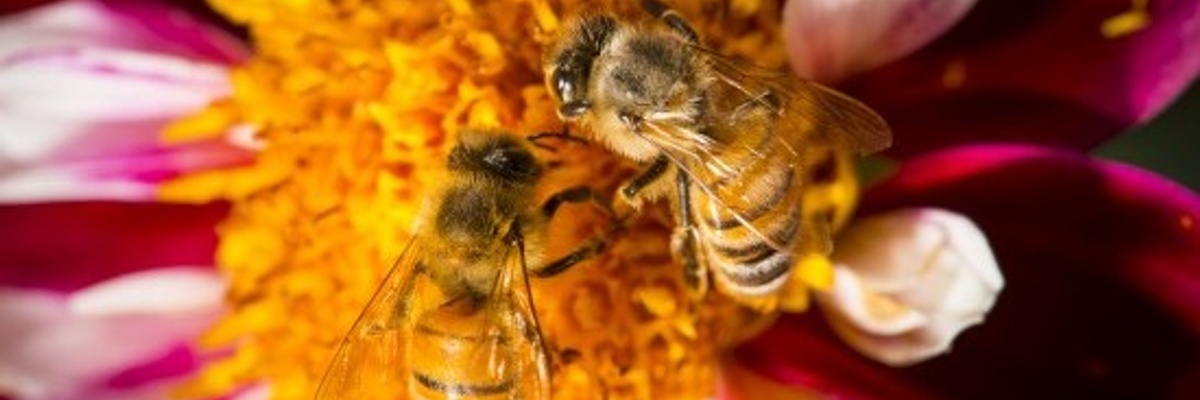

My team of neighbors in the Eagle Pointe area in Johnston Iowa have been busy creating habitats for pollinators.
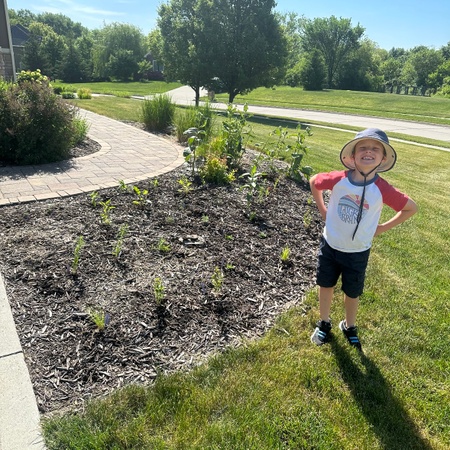
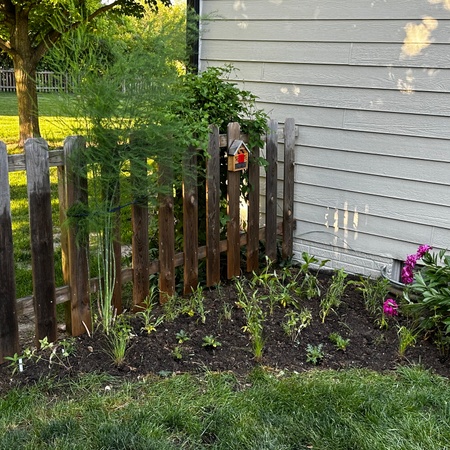
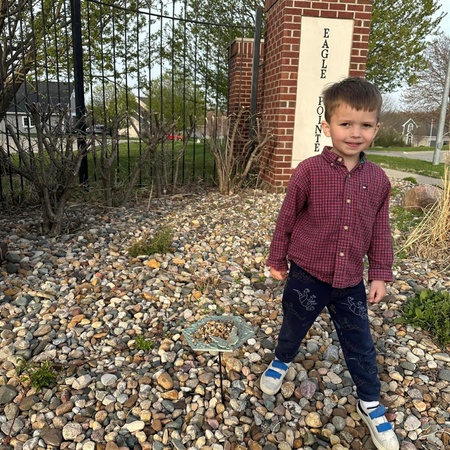
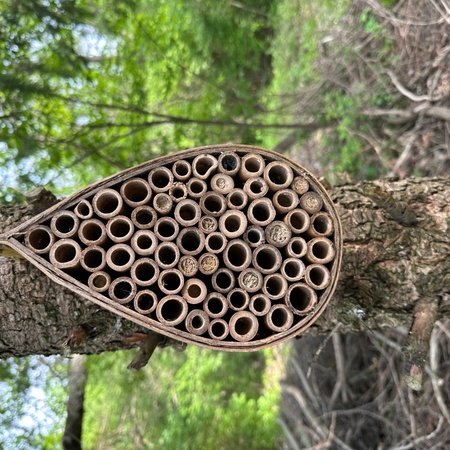
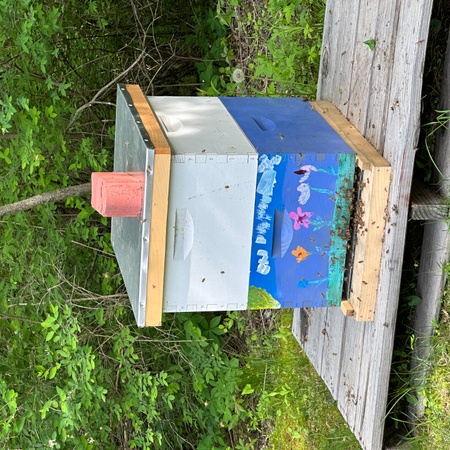
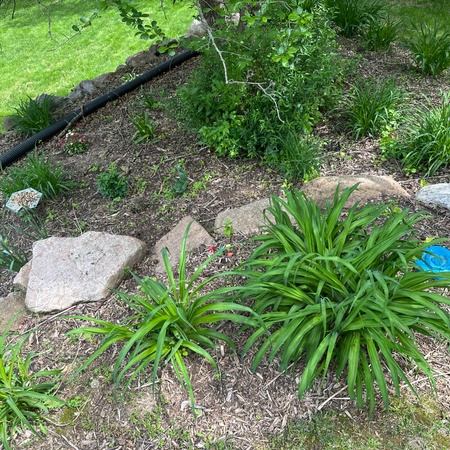
We have purchased and installed watering stations for bees and butterflies in our backyards and on the corners of our streets. We have also purchased and installed hundreds of pollinator-friendly plants in those same areas. I have installed a new bee hive and we planted milkweed plants in hopes of releasing monarch butterflies this fall using the rest of our grant funds. Finally, we also installed insect hotels near those beds of pollinator plants.
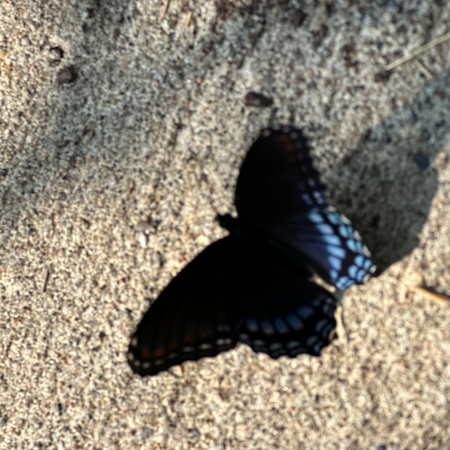
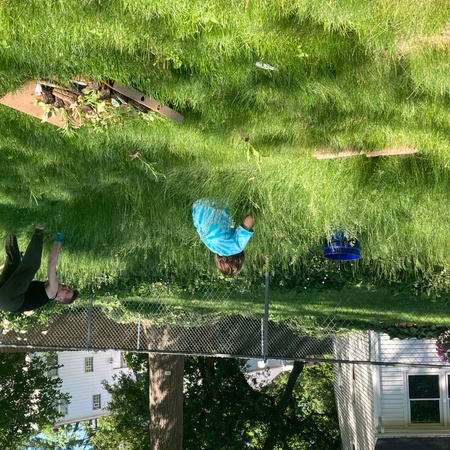
This is just the beginning. The plants are in the ground, now all summer we get to watch them grow and enjoy watching the bees and butterflies soak up the water, food and shelter that we have provided them. We look forward to trying to capture those fleeting moments and have included a link to a Google drive folder filled with images of us planting and installing our items. I have since seen one gorgeous blue butterfly that I have put a picture of in that folder.
The final steps will be releasing monarch butterflies this fall with the remaining grant funds.
https://drive.google.com/drive/folders/1s08H-rfaV74RDOm_wrK3oAyIpr8hmbwV?usp=share_link
Action plan:
Timeline:
Our team has started planning now to plant native Iowan plants in May. We would make purchases prior to that. We also intend on purchasing at local school plant sales so we can ensure the grant money goes back into the community. We hope to gather neighborhood children and families over to help paint my second bee hive, a butterfly house, and planters that we will use in our yards. After planting, I am going to invite the neighborhood to help with our honey harvest in early August as a thank you for their collaboration on this project. Finally, we wish to use funds to complete a monarch butterfly release in the fall of 2023, which is the best time to tag and release monarchs. This would be a great use of the second round of funds.
Budget:
Pollinators need three things for a welcoming environment – food, shelter, and water. I have two bee hives in my yard, so I am providing shelter for bees. We are going to use some funds to purchase butterfly houses. Additionally, we are going to purchase watering stations for the pollinators. Finally, we are going to buy native Iowa plants that are deer and rabbit resistant and are loved by pollinators. I have asked other beekeepers in the area and they suggested we buy plugs to get the best use of our funds. Finally, in the fall we would like to do a monarch butterfly release with the kids in our neighborhood. The following is a breakdown of that budget:
Food - $1,200
-Milkweed seeds
-Native plant plugs
-Planters and Potting soil
Shelter - $200 for butterfly houses
Water – Watering stations, $200
Monarch butterfly release - $200
Impact:
We are using this project as a way to educate our neighborhood children on what pollinators are, and how we can create and keep a welcoming environment for them. To do this, we will involve them in the process of planning, planting, and harvesting honey in the neighborhood. This education will culminate in fall 2023 by tagging and releasing monarch butterflies.
Our goal is to install two butterfly houses, four watering stations, and plant 75 native pollinator plants. Additionally, we hope to spread the knowledge that bees are safe.
Location:
We will primarily be using our own backyards for these pollinator environments. However, our neighborhood also has welcome corners that we will be placing watering stations at. There are limitations to what can be planted or painted there, so we will keep it simple with the addition of the watering stations.