Assemble Your Team
Form a collaborative team of approximately five people to share the workload and make the project more enjoyable. Look for support within your organisation, family, friends, and broader community. Reach out to potential partners such as schools, scout groups, naturalist societies, church groups, neighbouring landowners, city planning offices, and public works departments.
Once assembled, assign clear roles and responsibilities including site location, community engagement, plant purchasing, and maintenance scheduling. Use your project page to coordinate activities and keep everyone informed of progress and upcoming tasks.
Decide location
The recommended area for your first project is less than a quarter of an acre (10,890 ft.2) - Remember it is easier to start small and to scale up, than start big and scale down. Use a site evaluation rubric, like this one found at here (on pages 24-25) to choose the best site for your project.
Site selection can also be influenced by the potential partnerships that may be formed at a specific site, so don't forget to consider these. Sites that can be used for public outreach or that are more accessible to the public may be more desirable.
Find the Right Plants for Your Region
To support pollinators effectively, it's important to choose native plants that thrive in your specific area. These plants provide food and habitat for bees, butterflies, and other pollinators throughout the year.
If you're in the US:
Use this tool from the Pollinator Partnership to find planting guides tailored to your ecoregion: Find your Ecoregion Planting Guide
If you're outside the US:
Look for native planting guidance relevant to your country or region. Here's how:
- Search for “[your country] native plants for pollinators” or “[your country] pollinator garden guide”
- Check with local environmental NGOs, botanical gardens, or government biodiversity departments
- Explore resources like:
Plan and Plant
Use your ecoregional guide to select appropriate native plants, considering existing vegetation, seasonal planting requirements, and target pollinator species. Aim for 80% native plants with 20% beneficial introduced species, ensuring blooms throughout growing seasons.
Purchase plants from local native plant centres or nurseries, bringing your guide's plant lists for reference. Coordinate planting activities with your team, ensuring proper spacing, soil preparation, and initial watering. Document your planting choices and layout for future reference and maintenance planning.
Maintain and Monitor
Now that you've planted your new pollinator friendly garden, it's just about maintaining and monitoring it. Here are some tips:
- It's important to tolerate a little mess (!) – leave dead snags, leaf litter and some weeds, which provide shelter and food for pollinators
- Keep some areas bare for ground nesting insects
- Have water available for at least one month after planting to ensure success
- Consider switching to a bi-seasonal mowing schedule; early season mowing and summer mowing
- Develop a monitoring schedule for early detection of invasive species
- Keep taking notes about what is happening in the habitat
- Develop a monitoring schedule for early detection of invasive species
- Determine how invasive plants will be treated when they appear

 Für Communities Ideen starten Holen Sie sich die Finanzierung, Ressourcen und Unterstützung, um wirkungsvolle Projekte zu starten
 Für soziale Innovatoren Skalieren Sie Ihre Idee Verbinden Sie sich mit Community-Changemakern und der Finanzabteilung, um Ihre Wirkung zu skalieren
 Für Organisationen Einen Fonds starten Fördern Sie die Themen und Regionen, die Ihnen am Herzen liegen

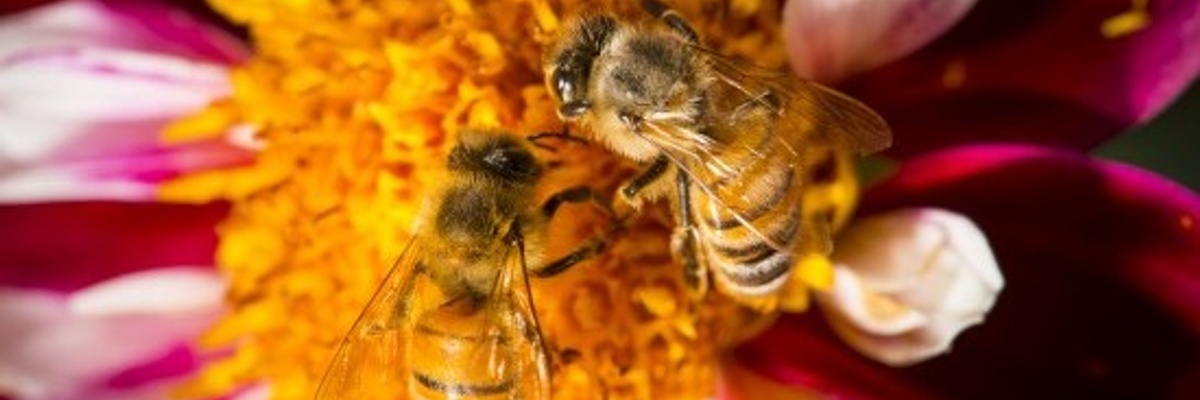






 "Welcome to Pollinator Partnership on ChangeX! Here you'll find the information you need to start a Pollinator Partnership habitat in your community. Each of us can have a positive impact by providing the essential habitat requirements for pollinators including food, water, shelter, and enough space to allow pollinators to raise their young. Thanks for joining, we're excited to have you with us!"
- Paul Growald, Founder of Pollinator Partnership
"Welcome to Pollinator Partnership on ChangeX! Here you'll find the information you need to start a Pollinator Partnership habitat in your community. Each of us can have a positive impact by providing the essential habitat requirements for pollinators including food, water, shelter, and enough space to allow pollinators to raise their young. Thanks for joining, we're excited to have you with us!"
- Paul Growald, Founder of Pollinator Partnership