The link you followed was in the France region, you are viewing this page in your region.

Pollinator Partnership dà potere alle comunità aiutandole a creare habitat vitali per api, farfalle, uccelli e altri impollinatori, utilizzando guide di piantumazione scientificamente fondate e specifiche per ogni regione, che garantiscono la crescita delle piante più adatte all' ecosistema locale.

Gli impollinatori sono responsabili di un boccone di cibo su tre che mangiamo, ma le loro popolazioni stanno diminuendo rapidamente a causa della perdita di habitat. Questa iniziativa affronta la necessità urgente di spazi favorevoli agli impollinatori aiutando chiunque disponga di uno spazio all’aperto, dai piccoli giardini alle grandi aree comunitarie, a creare un habitat favorevole.

Il progetto è pensato per giardinieri, scuole, gruppi comunitari, agricoltori e appassionati di ambiente che vogliono fare la differenza in modo concreto. Lavorerai con un team per scegliere un sito adeguato, studiare gli impollinatori locali, selezionare piante autoctone utilizzando la guida ecologica gratuita e creare un habitat sostenibile.

La tua comunità ne beneficerà grazie al miglioramento della biodiversità locale, al rafforzamento della sicurezza alimentare, a nuove opportunità educative e a spazi verdi più belli. L’iniziativa genera un impatto ambientale duraturo e, al tempo stesso, unisce le persone attorno a un obiettivo comune di conservazione. Riceverai guide complete alla piantumazione, risorse per la manutenzione e supporto continuo per assicurarti che il tuo habitat prosperi e diventi un modello per altri.

Pollinator Partnership dà potere alle comunità aiutandole a creare habitat vitali per api, farfalle, uccelli e altri impollinatori, utilizzando guide di piantumazione scientificamente fondate e specifiche per ogni regione, che garantiscono la crescita delle piante più adatte all' ecosistema locale.

Gli impollinatori sono responsabili di un boccone di cibo su tre che mangiamo, ma le loro popolazioni stanno diminuendo rapidamente a causa della perdita di habitat. Questa iniziativa affronta la necessità urgente di spazi favorevoli agli impollinatori aiutando chiunque disponga di uno spazio all’aperto, dai piccoli giardini alle grandi aree comunitarie, a creare un habitat favorevole.

Il progetto è pensato per giardinieri, scuole, gruppi comunitari, agricoltori e appassionati di ambiente che vogliono fare la differenza in modo concreto. Lavorerai con un team per scegliere un sito adeguato, studiare gli impollinatori locali, selezionare piante autoctone utilizzando la guida ecologica gratuita e creare un habitat sostenibile.

La tua comunità ne beneficerà grazie al miglioramento della biodiversità locale, al rafforzamento della sicurezza alimentare, a nuove opportunità educative e a spazi verdi più belli. L’iniziativa genera un impatto ambientale duraturo e, al tempo stesso, unisce le persone attorno a un obiettivo comune di conservazione. Riceverai guide complete alla piantumazione, risorse per la manutenzione e supporto continuo per assicurarti che il tuo habitat prosperi e diventi un modello per altri.

Niki Jobst Smith
Niki Jobst Smith

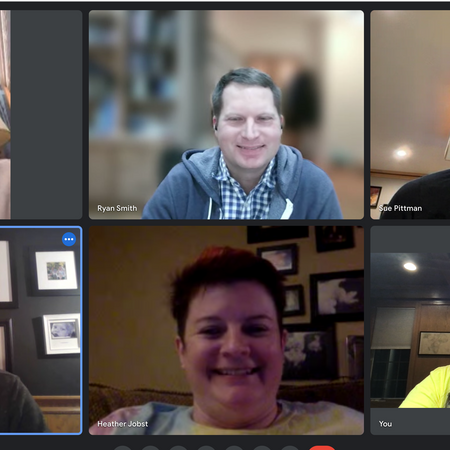
My team of neighbors in the Eagle Pointe area in Johnston Iowa have been busy creating habitats for pollinators.

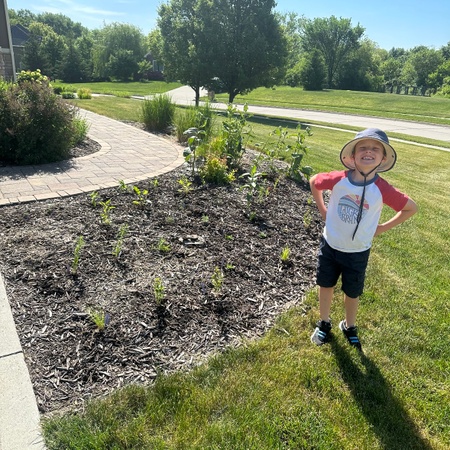
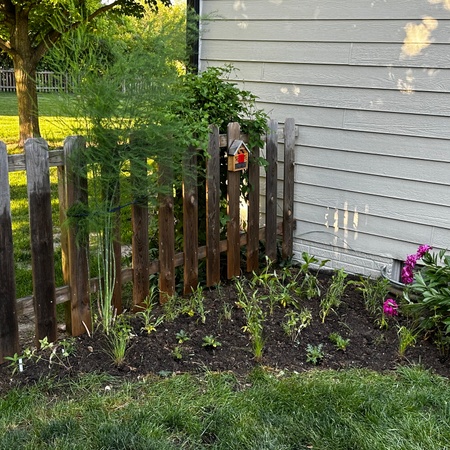
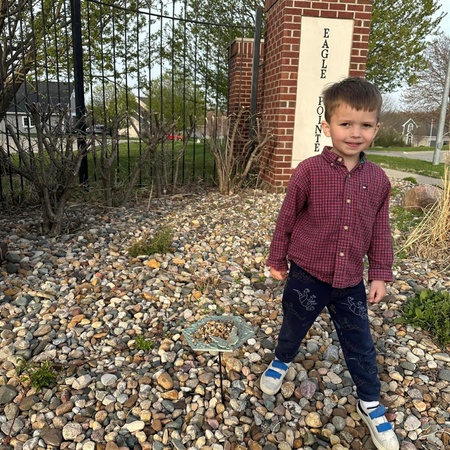
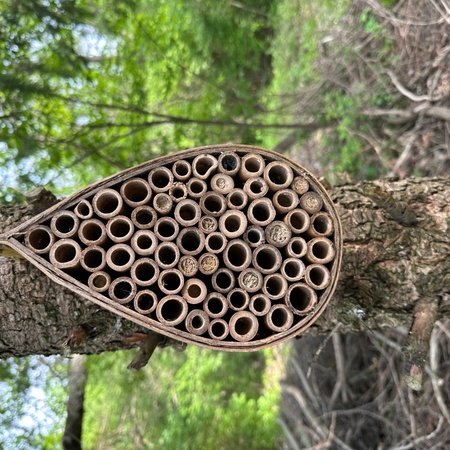
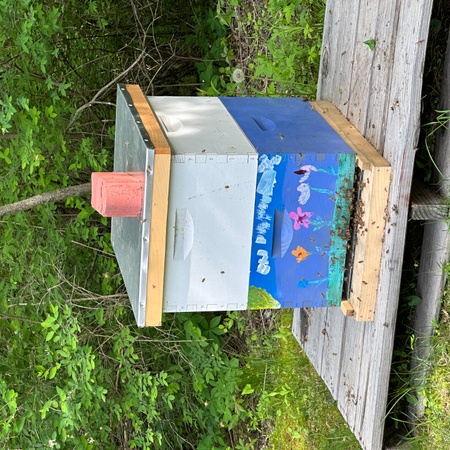
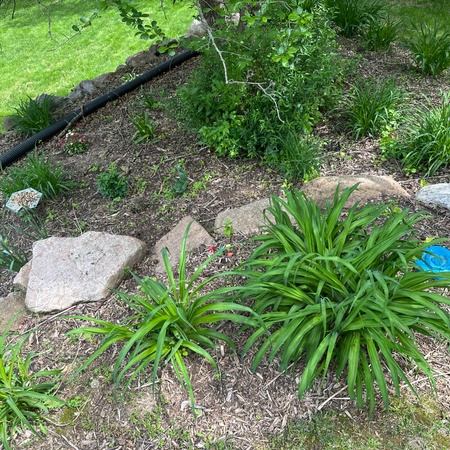
We have purchased and installed watering stations for bees and butterflies in our backyards and on the corners of our streets. We have also purchased and installed hundreds of pollinator-friendly plants in those same areas. I have installed a new bee hive and we planted milkweed plants in hopes of releasing monarch butterflies this fall using the rest of our grant funds. Finally, we also installed insect hotels near those beds of pollinator plants.

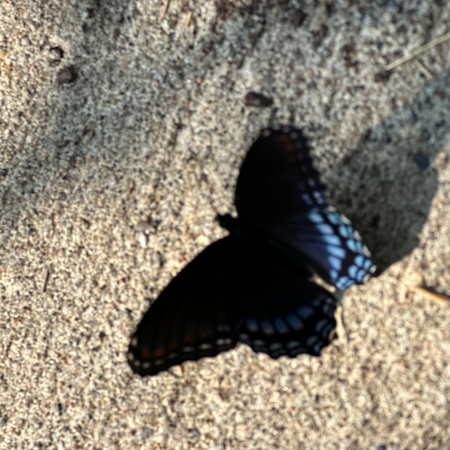
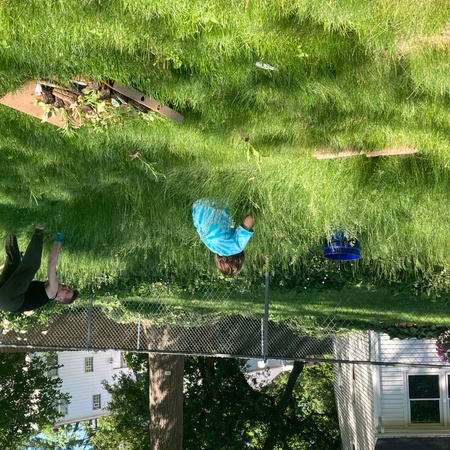
This is just the beginning. The plants are in the ground, now all summer we get to watch them grow and enjoy watching the bees and butterflies soak up the water, food and shelter that we have provided them. We look forward to trying to capture those fleeting moments and have included a link to a Google drive folder filled with images of us planting and installing our items. I have since seen one gorgeous blue butterfly that I have put a picture of in that folder.

The final steps will be releasing monarch butterflies this fall with the remaining grant funds.

https://drive.google.com/drive/folders/1s08H-rfaV74RDOm_wrK3oAyIpr8hmbwV?usp=share_link

Niki Jobst Smith
Niki Jobst Smith

Action plan:

Timeline:

Our team has started planning now to plant native Iowan plants in May. We would make purchases prior to that. We also intend on purchasing at local school plant sales so we can ensure the grant money goes back into the community. We hope to gather neighborhood children and families over to help paint my second bee hive, a butterfly house, and planters that we will use in our yards. After planting, I am going to invite the neighborhood to help with our honey harvest in early August as a thank you for their collaboration on this project. Finally, we wish to use funds to complete a monarch butterfly release in the fall of 2023, which is the best time to tag and release monarchs. This would be a great use of the second round of funds.


Budget:

Pollinators need three things for a welcoming environment – food, shelter, and water. I have two bee hives in my yard, so I am providing shelter for bees. We are going to use some funds to purchase butterfly houses. Additionally, we are going to purchase watering stations for the pollinators. Finally, we are going to buy native Iowa plants that are deer and rabbit resistant and are loved by pollinators. I have asked other beekeepers in the area and they suggested we buy plugs to get the best use of our funds. Finally, in the fall we would like to do a monarch butterfly release with the kids in our neighborhood. The following is a breakdown of that budget:

Food - $1,200

-Milkweed seeds

-Native plant plugs

-Planters and Potting soil


Shelter - $200 for butterfly houses

Water – Watering stations, $200

Monarch butterfly release - $200


Impact:

We are using this project as a way to educate our neighborhood children on what pollinators are, and how we can create and keep a welcoming environment for them. To do this, we will involve them in the process of planning, planting, and harvesting honey in the neighborhood. This education will culminate in fall 2023 by tagging and releasing monarch butterflies.


Our goal is to install two butterfly houses, four watering stations, and plant 75 native pollinator plants. Additionally, we hope to spread the knowledge that bees are safe.


Location:

We will primarily be using our own backyards for these pollinator environments. However, our neighborhood also has welcome corners that we will be placing watering stations at. There are limitations to what can be planted or painted there, so we will keep it simple with the addition of the watering stations.

Informazioni Eagle Pointe Pollinators

Prossimi eventi

Non ci sono eventi in programma

Chi è coinvolto

Niki Jobst Smith
Niki Jobst Smith
Persona di contatto

Team & Membri (7)

×