Community Composting at Volkstuin

Austell, GA, Cobb County

La idea

El compostaje comunitario consiste en reunir a la gente de tu comunidad, ya sea un grupo comunitario existente como una asociación de vecinos, una iglesia, un colegio, un jardín comunitario o un lugar de trabajo; o un grupo que se reúna únicamente con este propósito, para desviar sus residuos de alimentos, recortes de jardín y otra materia orgánica, del vertedero, y compostarlos en su lugar.
Los miembros de la comunidad pueden compostar en casa y utilizar el compost en sus propios jardines. Sin embargo, el compostaje doméstico no genera suficiente calor para descomponer los productos animales (como la carne, el queso o los huesos) o los envases biodegradables. Por lo tanto, la ventaja de reunirse como comunidad es que juntos tendréis suficientes residuos de alimentos para contratar a una empresa local de compostaje que venga a recoger los residuos de alimentos desde un lugar centralizado, y estas empresas tienen el equipo para descomponer todos los residuos de alimentos y materiales compostables en compost utilizable.
Si tu grupo está afiliado a un jardín comunitario, el compost terminado puede incluso utilizarse para fertilizar la tierra. Muchos programas municipales de compostaje devuelven los residuos de alimentos compostados a los agricultores locales, creando cultivos de mayor rendimiento y reduciendo la necesidad de fertilizantes químicos.

La idea

El compostaje comunitario consiste en reunir a la gente de tu comunidad, ya sea un grupo comunitario existente como una asociación de vecinos, una iglesia, un colegio, un jardín comunitario o un lugar de trabajo; o un grupo que se reúna únicamente con este propósito, para desviar sus residuos de alimentos, recortes de jardín y otra materia orgánica, del vertedero, y compostarlos en su lugar.
Los miembros de la comunidad pueden compostar en casa y utilizar el compost en sus propios jardines. Sin embargo, el compostaje doméstico no genera suficiente calor para descomponer los productos animales (como la carne, el queso o los huesos) o los envases biodegradables. Por lo tanto, la ventaja de reunirse como comunidad es que juntos tendréis suficientes residuos de alimentos para contratar a una empresa local de compostaje que venga a recoger los residuos de alimentos desde un lugar centralizado, y estas empresas tienen el equipo para descomponer todos los residuos de alimentos y materiales compostables en compost utilizable.
Si tu grupo está afiliado a un jardín comunitario, el compost terminado puede incluso utilizarse para fertilizar la tierra. Muchos programas municipales de compostaje devuelven los residuos de alimentos compostados a los agricultores locales, creando cultivos de mayor rendimiento y reduciendo la necesidad de fertilizantes químicos.

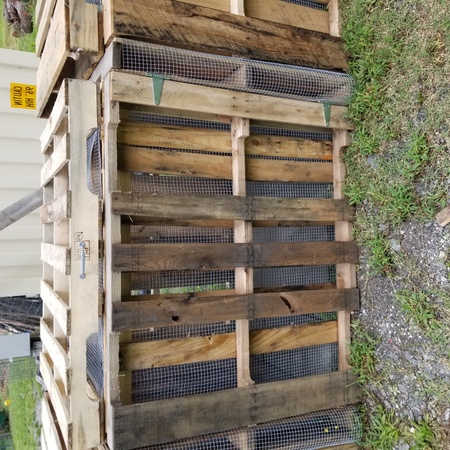
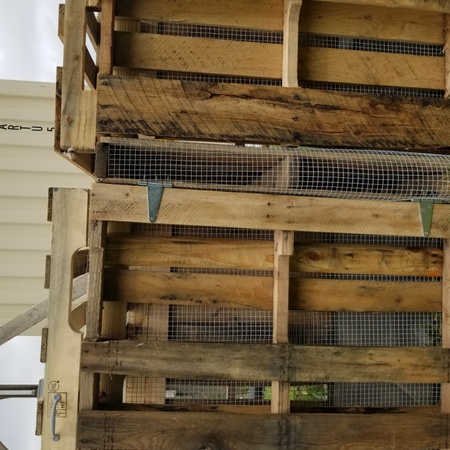
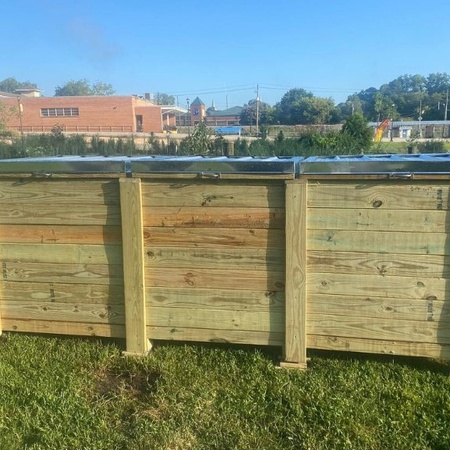
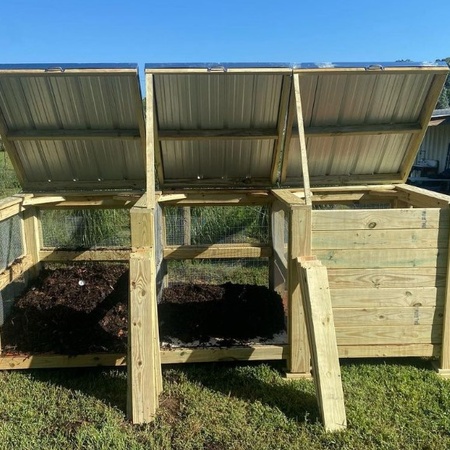
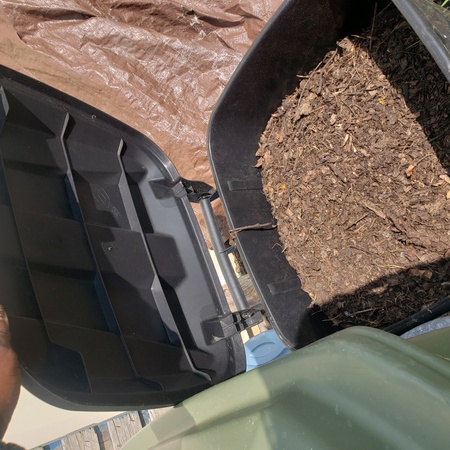
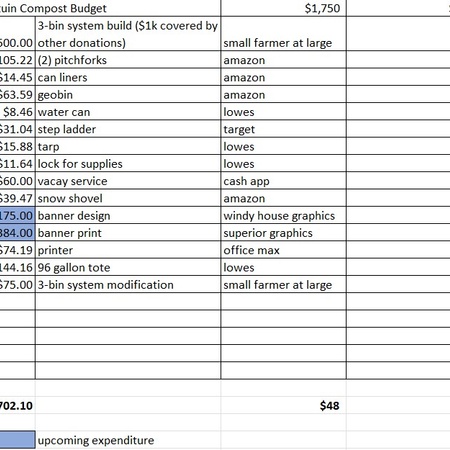
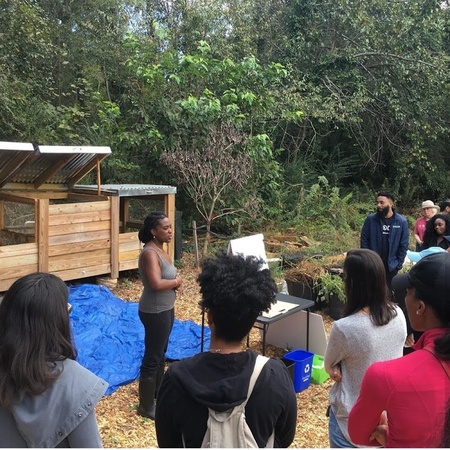
Because of your gracious grant we have been able to upgrade our 3-bin composting system that was made from wood pallets, and was slowly falling apart, to a coveted Fort Knox 3-bin system (please see photos attached). Since the award, we are still in talks with area high schools volunteer program managers trying to create a program that will allow their matriculating students that need volunteer hours to help manage the compost piles. Since this piece of the puzzle has yet to be filled, we haven’t been able to expand composting to the neighborhood on a larger scale as desired. This has limited our intake of food scraps for composting to (2) restaurants (1) office (4) households and (1) grocery store (…and of course any spoilage from the farm). With these participants, we have processed about 900 lbs. of food scraps. Add in 600 lbs. of leaves to the compost recipe, divide that by 3 for shrinkage and we have made 500 lbs. of finished compost that is utilized on the onsite urban farm Volkstuin.

Please see attached for expenses for the compost build out and upcoming purchases.
*Notes: "Geobin" is used inside of farm doors for slow, cold composting. "Vacay Service" denotes a time I was out of the country for a month and had to use a commercial composting unit to collect and process our restaurant compost program.

(The urban farm at Volkstuin currently produces food for the onsite restaurant, with produce being sold to neighborhood customers and surplus donated to some of our food insecure residents.)

Natasha Dyer
Natasha Dyer

The urban farm at Volkstuin currently produces food for the onsite restaurant, with produce being sold to customers and surplus donated to some of our food insecure residents. With the creation of the composting program, much needed compost will provide a great dollar savings so that outside compost doesn’t need to be purchased and we can produce more local food. With a newly constructed 3-bin system, the use of your generous grant will provide us with the tools we need to scale the system up to allow the intake from surrounding neighbors to increase from 3 to 20 participants.

To help process the food and yard trimmings into compost, starting next semester, the Volkstuin group will be using the help of high school students from South Cobb High School who are in the Environmental Club and needing volunteer hours to matriculate. In December, with the use of your grant, we will buy all the tools needed to get this community composter up and running (please see budget below). With 20 weekly food scrap donors all using 5-lb. buckets, that is a rough estimate of 40,000 lbs. of wasted food being diverted from the landfill every year and redirected into creating a third of that weight into compost for the farm.

Expected impact: Reduction in costs for purchase of compost, GHG emission reductions from organic waste landfill diversion, teaching the next generation about the importance of resource recycling.

Pricing Volkstuin Compost: Waste Free Austell Budget
$300 (2) banner signs on each side of container
$150 Graphics Designer for Banners
$46 Finished compost sifter 1/4"
$5 Water Can
$50 Step Stool
$100 Printing for Marketing
$408 (3) 96-gallon cart
$250 (50) 5-gallon buckets
$60 Bucket stickers
$100 Bucket liners
$30 Tarp
$10 Pitchfork
$100 Geobin Composter for Farm
$10 Latch built on carts
$25 Locks
$100 (3) Metal Signs
Eclosure for carts
$500 Education Website Design

$150 Taxes, Shipping, Excess Not Seen $$
$2,394

Natasha Dyer
Natasha Dyer

Teaching Compost :)

Waste Free Atlanta se unió Community Composting at Volkstuin a un Compostaje comunitario grupo más de 3 años hace
Andrew Lundstrom se unió Community Composting at Volkstuin a un Compostaje comunitario grupo más de 3 años hace
Karen McEntee
Karen McEntee

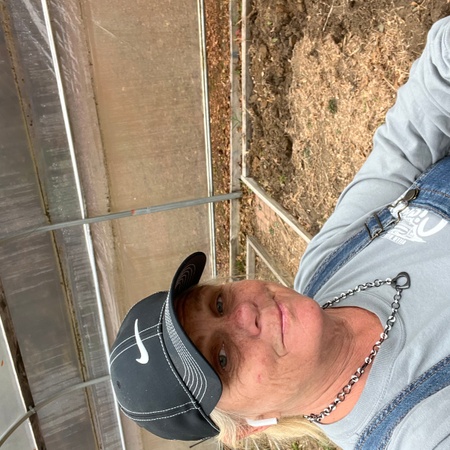
Growing food

Karen McEntee se unió Community Composting at Volkstuin a un Compostaje comunitario grupo más de 3 años hace
Ben Rybolt se unió Community Composting at Volkstuin a un Compostaje comunitario grupo más de 3 años hace
Natasha Dyer se unió Community Composting at Volkstuin a un Compostaje comunitario grupo más de 3 años hace

Sobre Community Composting at Volkstuin

Próximos eventos

No hay próximos eventos

Quién está involucrado

Natasha Dyer
Natasha Dyer
Persona de contacto

Equipo & Miembros (5)

×