The link you followed was in the Singapore region, you are viewing this page in your region.

Die Idee

„Die beste Zeit, um einen Baum zu pflanzen, war vor 20 Jahren. Die zweitbeste Zeit, um einen Baum zu pflanzen, ist heute“ – Chinesisches Sprichwort

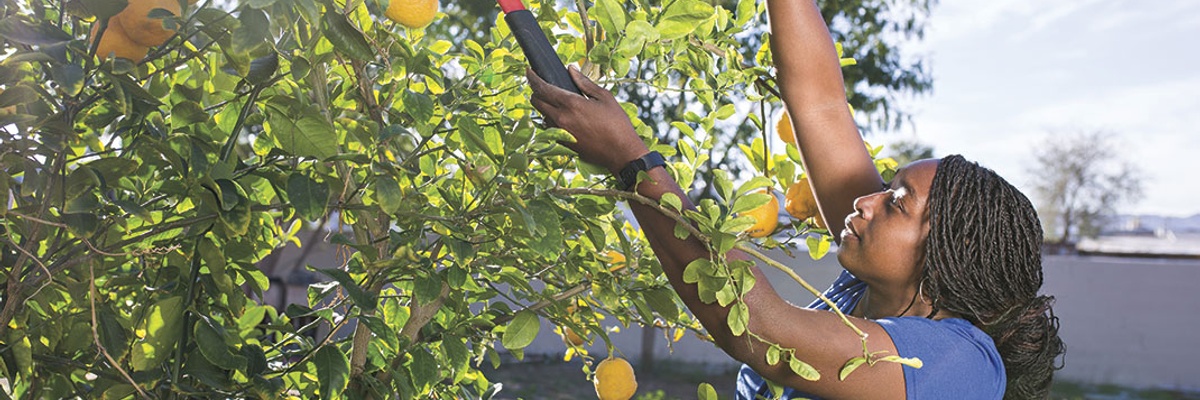
Das Open Orchard Project verbindet Communities durch das Pflanzen von Obstbäumen an öffentlichen Orten. Diese Bäume bieten den Anwohnern kostenlose Früchte und begrünen die städtische Umgebung. Bisher sind Open-Orchard-Gruppen hauptsächlich in London, England, tätig, aber die Idee findet auch anderswo in Großbritannien, den USA und Irland Anklang. Daher würden wir uns sehr freuen, wenn Sie in vielen weiteren Städten Open-Orchard-Gruppen gründen und Obstbäume auf öffentlichem Land pflanzen würden.

Bis sich die positiven Effekte des Pflanzens von Bäumen zeigen, braucht es Zeit. Ein neu gepflanzter Baum bietet einige zusätzliche Bestäubungsmöglichkeiten und absorbiert eine kleine Menge Kohlendioxid und zusätzliches Regenwasser, das sonst möglicherweise in die Kanalisation gelangen würde. Diese positiven Effekte nehmen jedoch von Jahr zu Jahr zu, wenn der Baum wächst.

Da die Obstbäume auf öffentlichem Land gepflanzt werden, ist die Zustimmung der Gemeinde erforderlich. Damit das Projekt aber wirklich nachhaltig ist, müssen engagierte Communities als Hüter der Bäume fungieren. Das Projekt kann Nachbarn die Möglichkeit geben, sich zum ersten Mal richtig kennenzulernen und gleichzeitig zielstrebig auf ein gemeinsames Ziel hinzuarbeiten. In vielen Gegenden, insbesondere in städtischen, kann dies sehr wichtig sein. Selbst wenn Nachbarn aus dem Gebiet wegziehen, werden die Bäume 20 bis 30 Jahre leben – und eine gemeinsame Verbindung und ein gemeinsames Erbe hinterlassen.

Die von den Bäumen geernteten Früchte können der Gemeinde eine neue Quelle frischer Nahrung bieten. Die Früchte können roh gegessen oder zur Herstellung anderer Produkte verwendet werden (was in den kommenden Jahren eine Chance für ein soziales Unternehmen sein könnte).

Die Idee

„Die beste Zeit, um einen Baum zu pflanzen, war vor 20 Jahren. Die zweitbeste Zeit, um einen Baum zu pflanzen, ist heute“ – Chinesisches Sprichwort

Das Open Orchard Project verbindet Communities durch das Pflanzen von Obstbäumen an öffentlichen Orten. Diese Bäume bieten den Anwohnern kostenlose Früchte und begrünen die städtische Umgebung. Bisher sind Open-Orchard-Gruppen hauptsächlich in London, England, tätig, aber die Idee findet auch anderswo in Großbritannien, den USA und Irland Anklang. Daher würden wir uns sehr freuen, wenn Sie in vielen weiteren Städten Open-Orchard-Gruppen gründen und Obstbäume auf öffentlichem Land pflanzen würden.

Bis sich die positiven Effekte des Pflanzens von Bäumen zeigen, braucht es Zeit. Ein neu gepflanzter Baum bietet einige zusätzliche Bestäubungsmöglichkeiten und absorbiert eine kleine Menge Kohlendioxid und zusätzliches Regenwasser, das sonst möglicherweise in die Kanalisation gelangen würde. Diese positiven Effekte nehmen jedoch von Jahr zu Jahr zu, wenn der Baum wächst.

Da die Obstbäume auf öffentlichem Land gepflanzt werden, ist die Zustimmung der Gemeinde erforderlich. Damit das Projekt aber wirklich nachhaltig ist, müssen engagierte Communities als Hüter der Bäume fungieren. Das Projekt kann Nachbarn die Möglichkeit geben, sich zum ersten Mal richtig kennenzulernen und gleichzeitig zielstrebig auf ein gemeinsames Ziel hinzuarbeiten. In vielen Gegenden, insbesondere in städtischen, kann dies sehr wichtig sein. Selbst wenn Nachbarn aus dem Gebiet wegziehen, werden die Bäume 20 bis 30 Jahre leben – und eine gemeinsame Verbindung und ein gemeinsames Erbe hinterlassen.

Die von den Bäumen geernteten Früchte können der Gemeinde eine neue Quelle frischer Nahrung bieten. Die Früchte können roh gegessen oder zur Herstellung anderer Produkte verwendet werden (was in den kommenden Jahren eine Chance für ein soziales Unternehmen sein könnte).

Julie Roth
Julie Roth

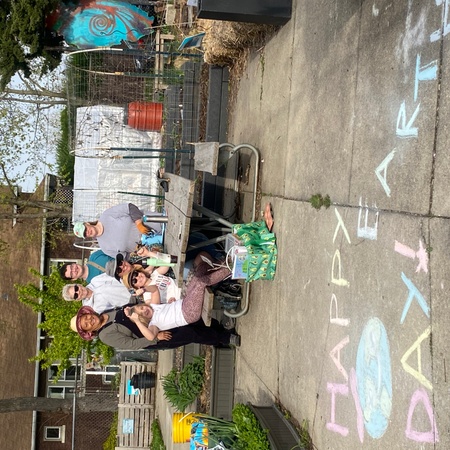
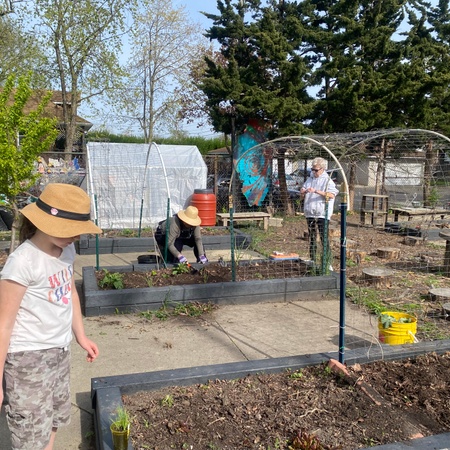
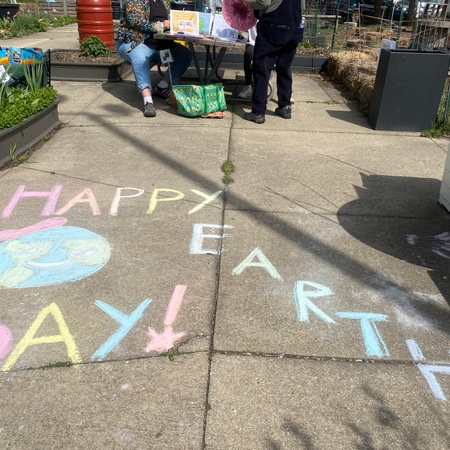
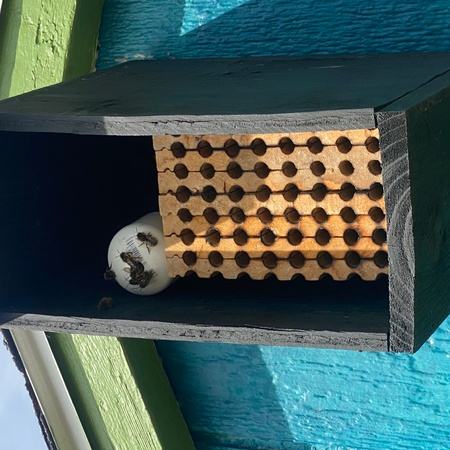
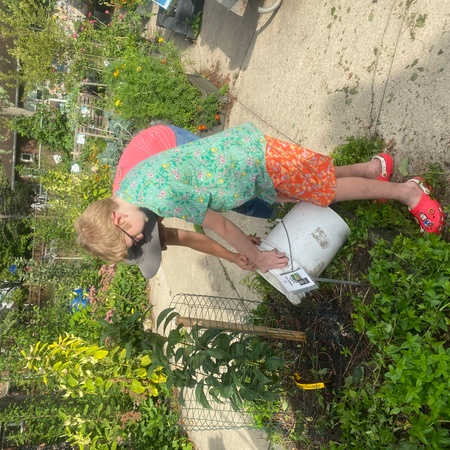
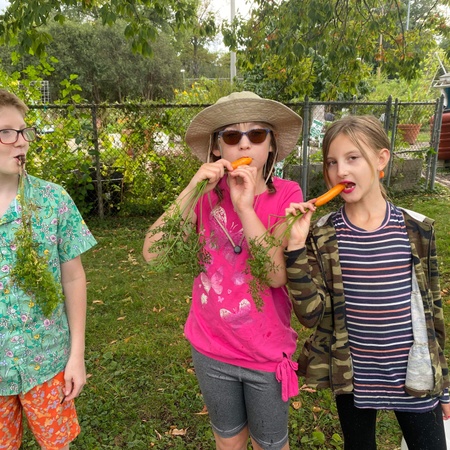
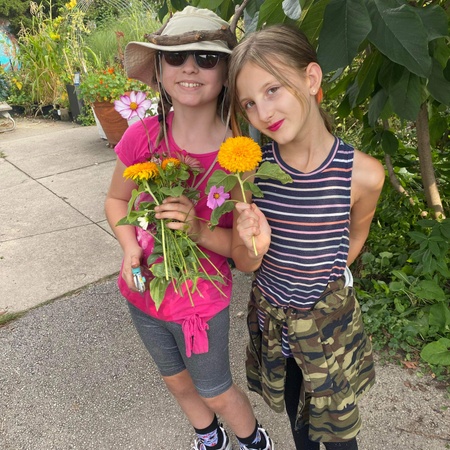
Happy Earth Day from Proksa Park! Our mason bees arrived and we have them all set up. These early emerging bees are crucial for fruit tree pollination! We did some spring cleanup, harvested our first veggies of the year and enjoyed the great weather!

Julie Roth
Julie Roth

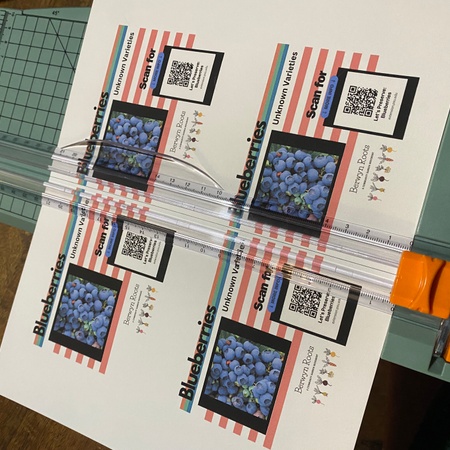
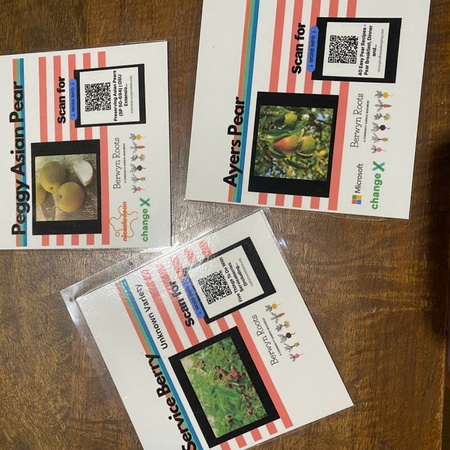
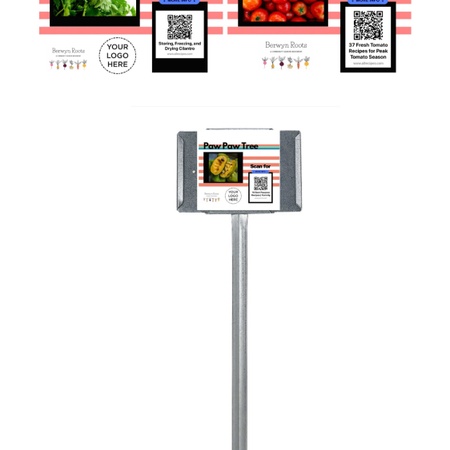
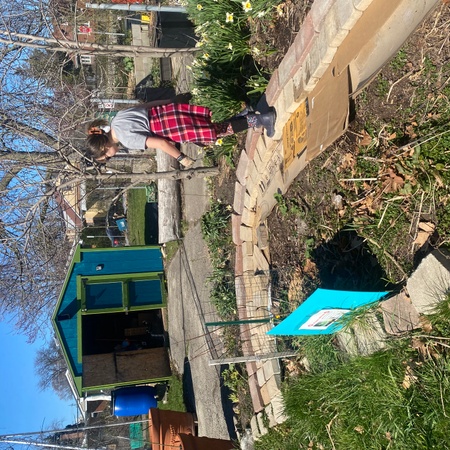
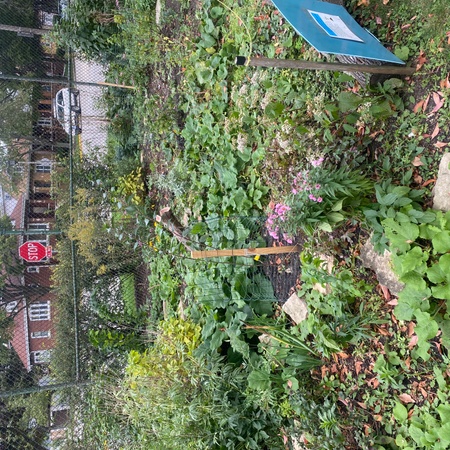
Upgrading our signage to add QR code scanners. The idea we proposed was how to engage visitors when we are not there, or if they just want to wander and explore in their own. By adding QR codes to our signage, most websites can be translated into a preferred language at the click of a button. The links will lead visitors to ways to preserve food crops (drying, canning, jam, etc….or to fun looking recipes. Giving visitors an extra connection to the food potential around them!

Julie Roth
Julie Roth

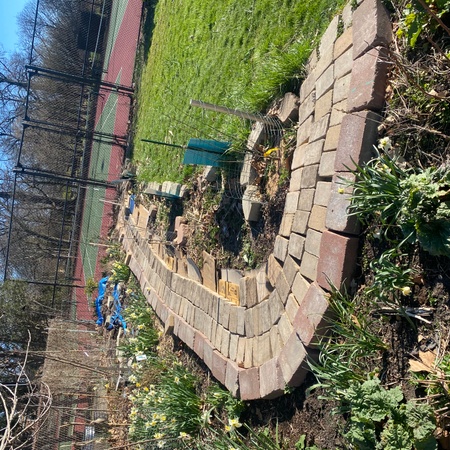
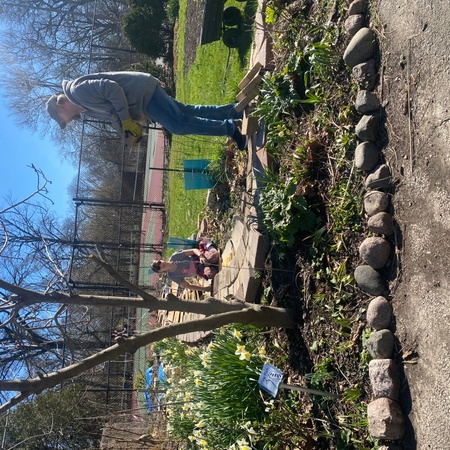
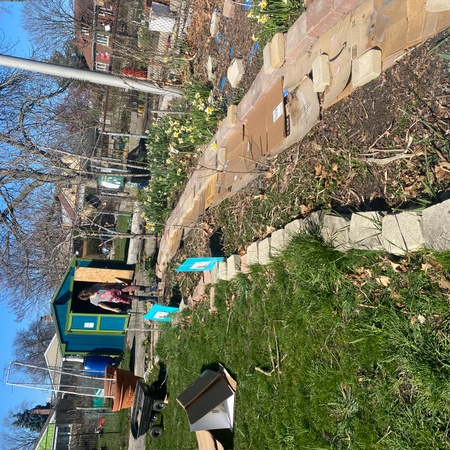
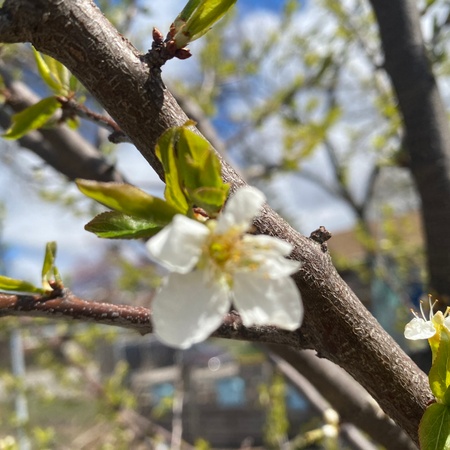
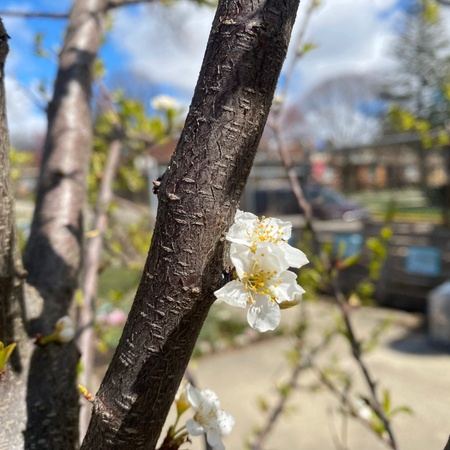
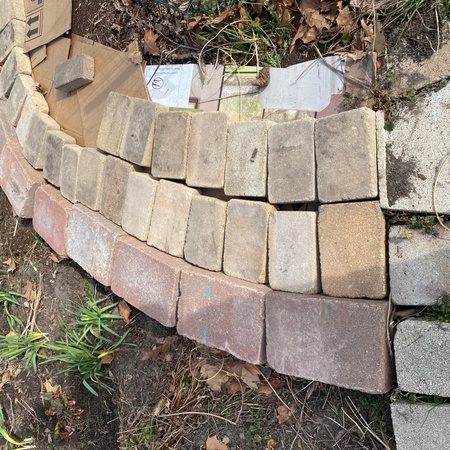
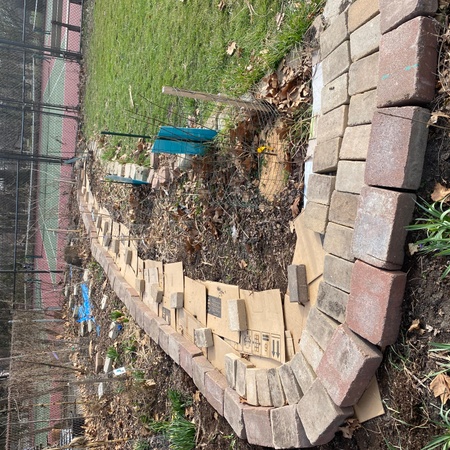
We continue to work on laying the stone path in the edible food forest. We’ve decided on a yellow brick road theme and are looking for playful ways to add color to our orchard. We are also getting some of our first blooms from trees we planted via our previous Change X grant!

Julie Roth
Julie Roth

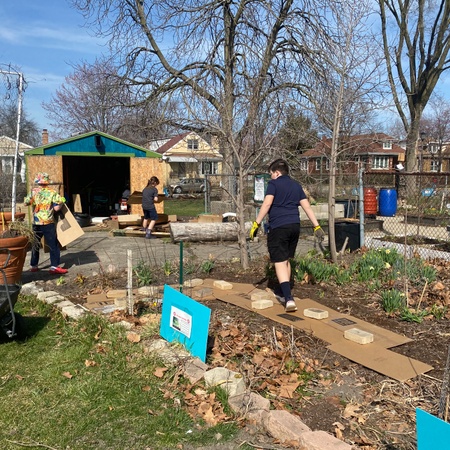
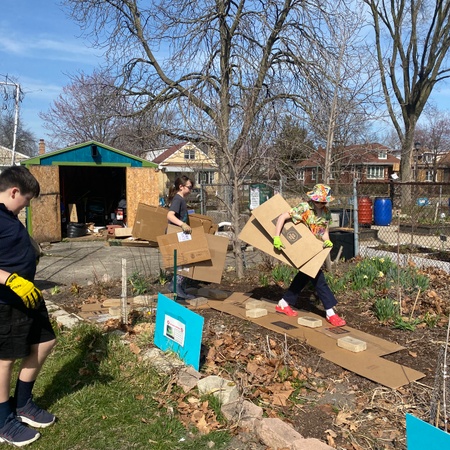
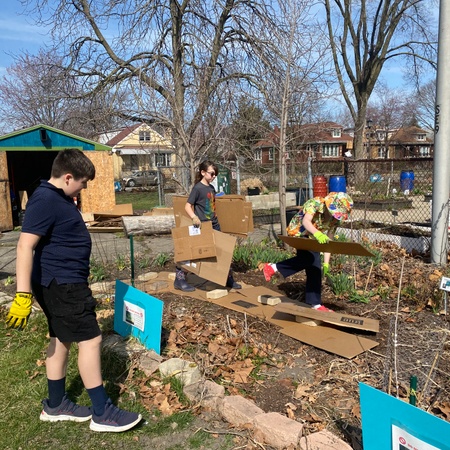
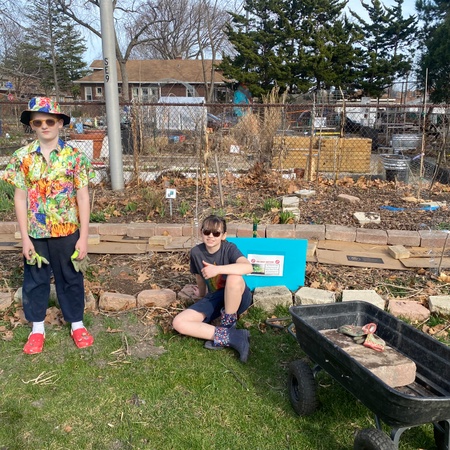
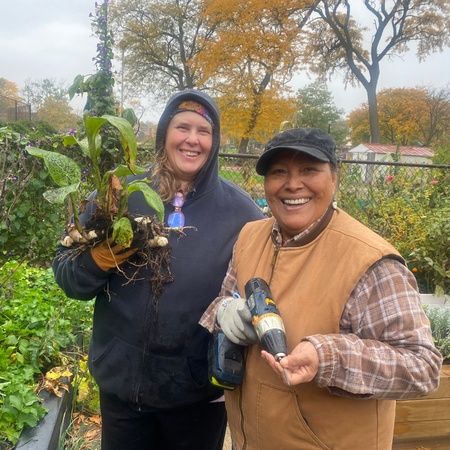
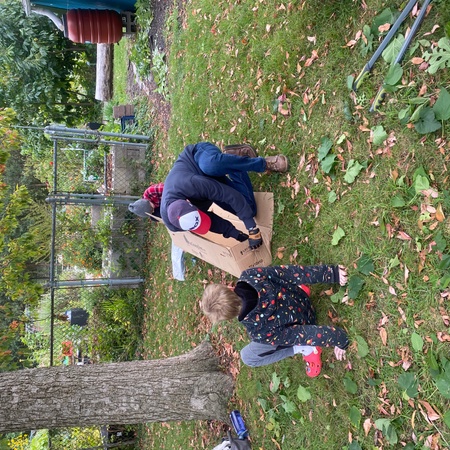
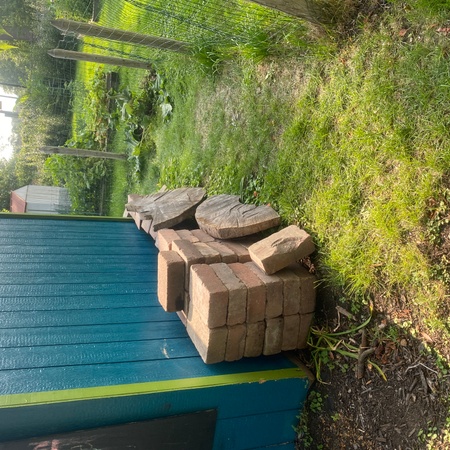
Our volunteers working on setting up our paver path for our food forest. These pavers were donated from the community and we could not be happier to put them back in use! We will continue the path next time, and then fill the gaps and seed with a ground cover. The kids worked hard today!

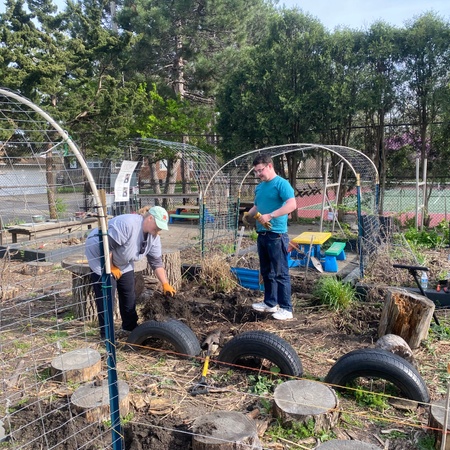
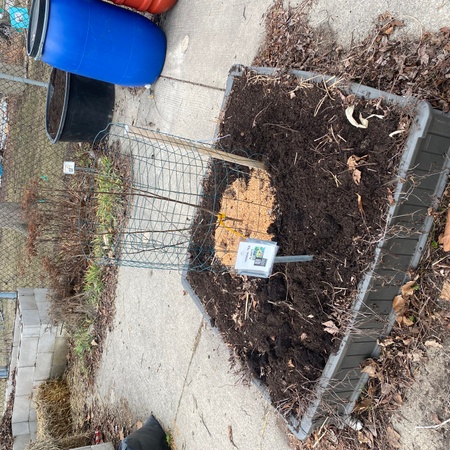
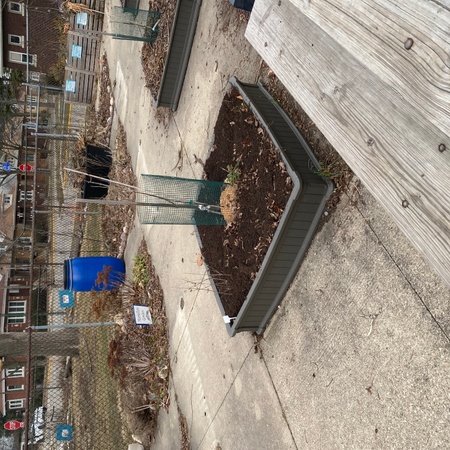
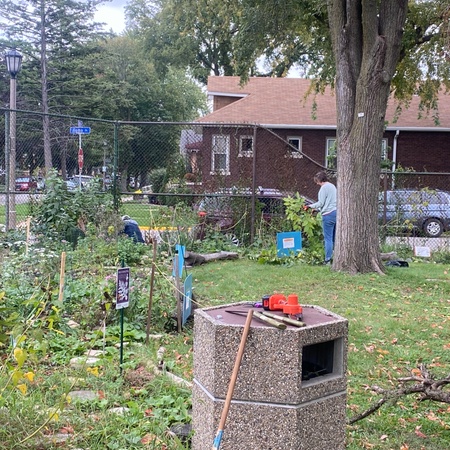
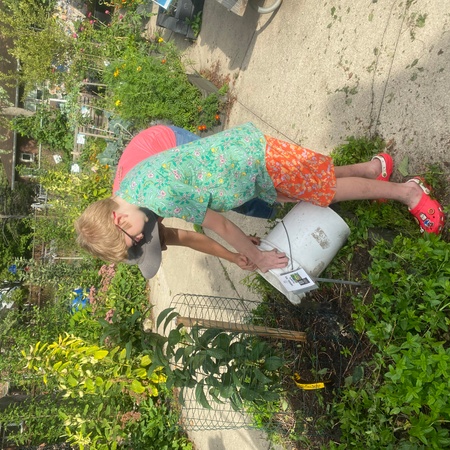
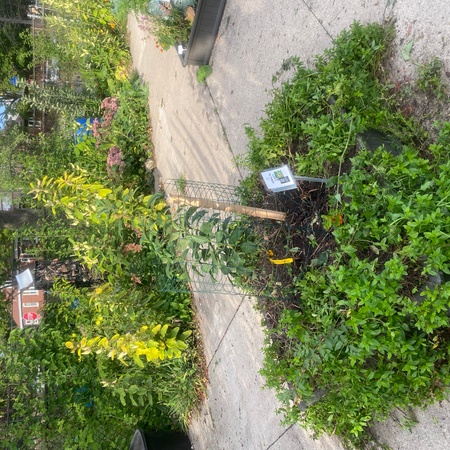
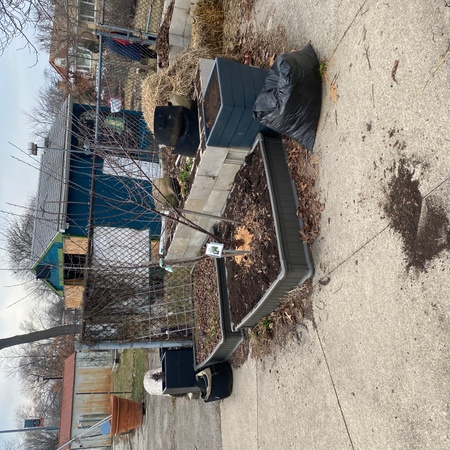
Starting our season early with a couple local events and have been prepping the beds and mulching the new fruit trees. Each tree will be surrounded with beneficial plants to aid in reducing weeds and providing shade to the roots. Our first layer of mulch is sawdust, then we will top with leaf mould or wood mulch after the florals and herbs emerge.

Starting our season early with a couple local events and have been prepping the beds and mulching the new fruit trees. Each tree will be surrounded with beneficial plants to aid in reducing weeds and providing shade to the roots. Our first layer of mulch is sawdust, then we will top with leaf mould or wood mulch after the florals and herbs emerge.

This has been such a fun project for the kids to lead. From identifying climate requirements, pollination strategies and years til fruiting, they have all done the research and selected the trees they thought would work best (and still taste good), for our area. While we ordered both hybrids and natives, we did a lot of research on what native fruiting trees would be beneficial for our local wildlife habitat as well as for humans.

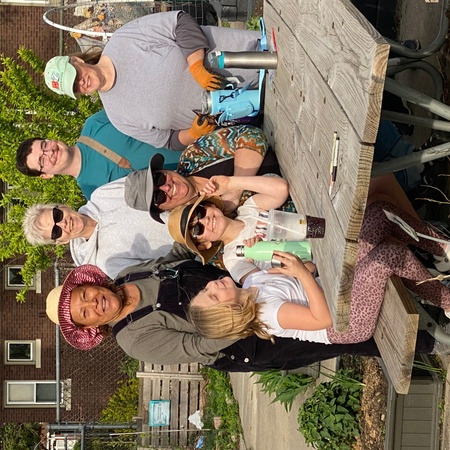
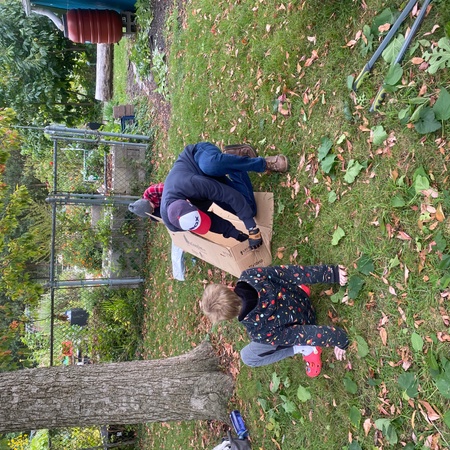
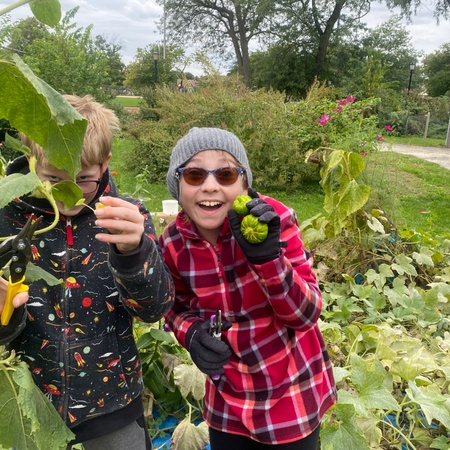
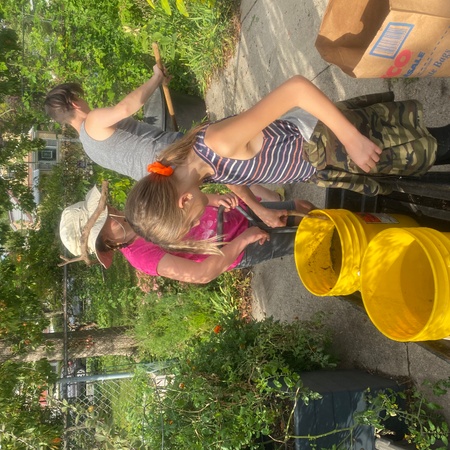
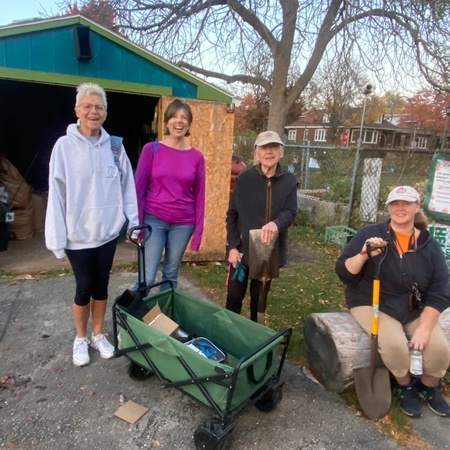
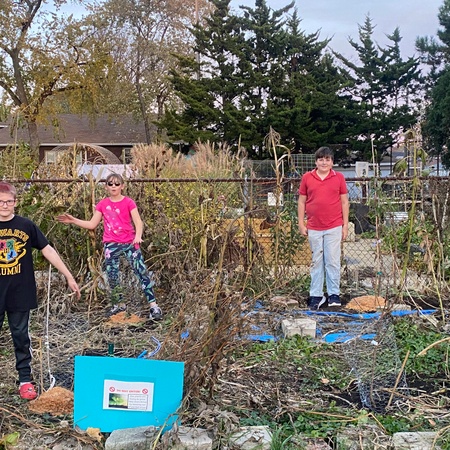
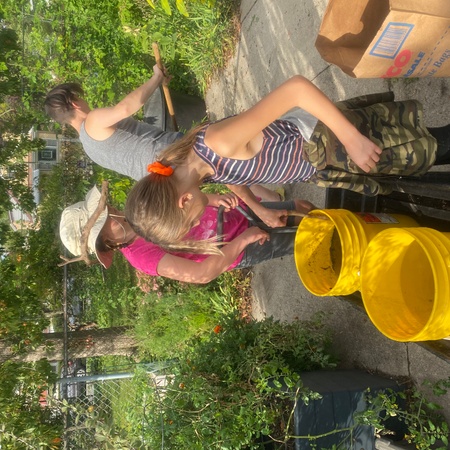
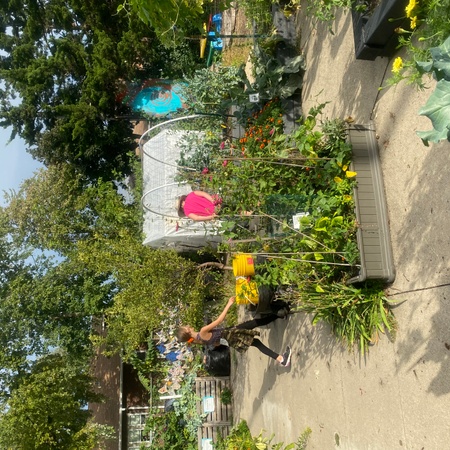
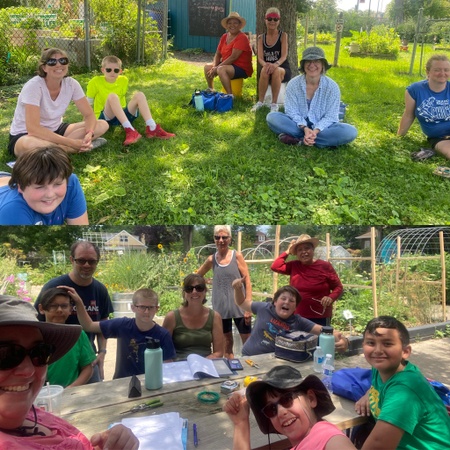
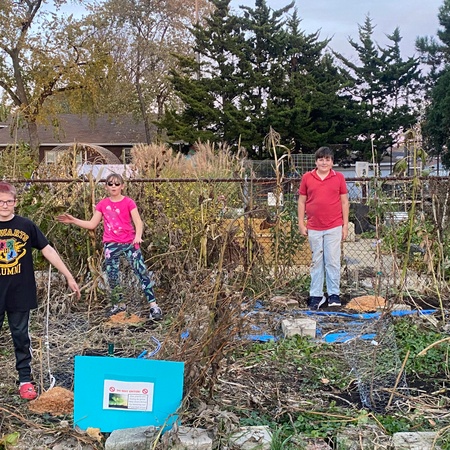
So far we have planted 17 fruiting varieties, but with weather to battle and fall cleanup, we will save our last fruiting trees for spring! Added some pics of some of our regulars who have been helping along the way. We couldn’t do any of this without them!

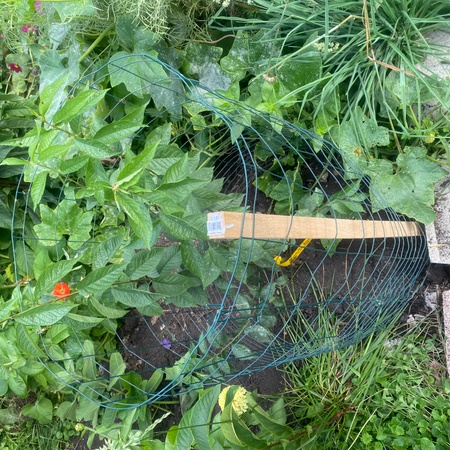
Our final fall tree planting is complete! We have wrapped them with wire rings to protect over winter and we have mulched their bases. Now we are closing up the garden for winter. We will finish up our plantings in the spring!

Our total list as of today:
6 American Plum (native)
2 elderberry (native)
1 Hardy Chicago Fig
2 Black Currant (native)
2 Rainier Cherry
2 Bing Cherry
1 Red Haven
1 Saturn Peach

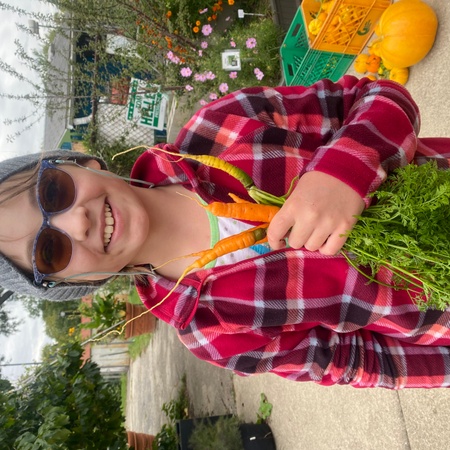
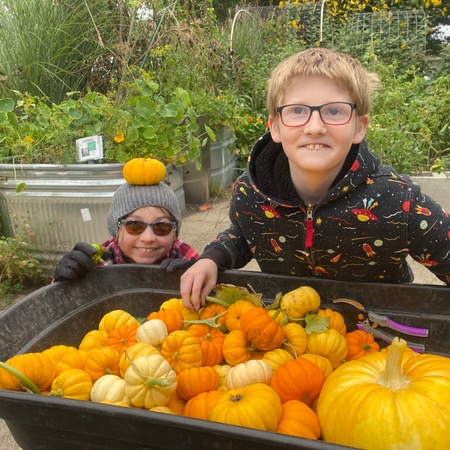
Our first planting is acclimating nicely and we have been working on some fall garden cleanup. We had cleared a patch in early spring for new trees, but planted pumpkins to keep it somewhat weed free all summer. The kids loved watching them grow and a few helped with the harvest. We added an additional peach tree last week and waiting on our final fall shipment of 5 more trees (more peach and a few cherry).

Planted our first batch of trees last weekend! We planted 6 American plum, 2 black currants and 2 elderberry all native to our community. We had a great turn out of volunteers and are currently voting on one more batch of trees to purchase before winter. The third batch will be purchased and planted next spring.

Julie Roth
Julie Roth

Pavers are all here for making our food forest path! Thank you to the volunteers that lugged them over, we love free pavers!

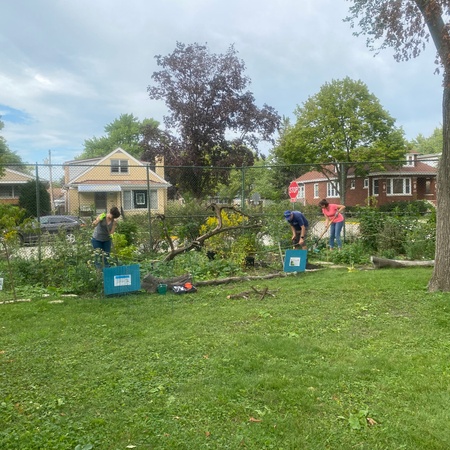
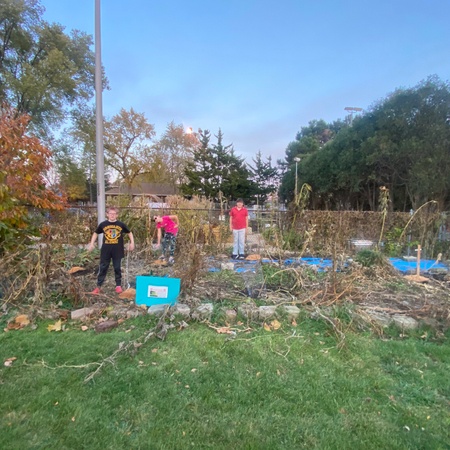
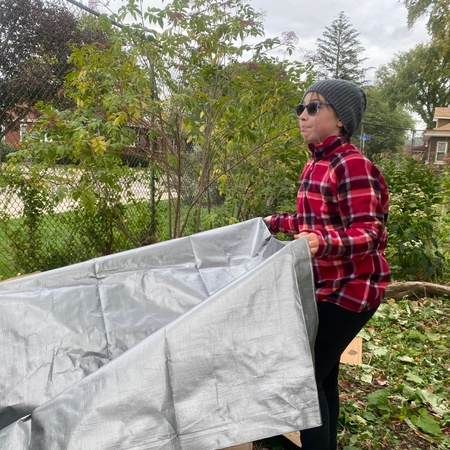
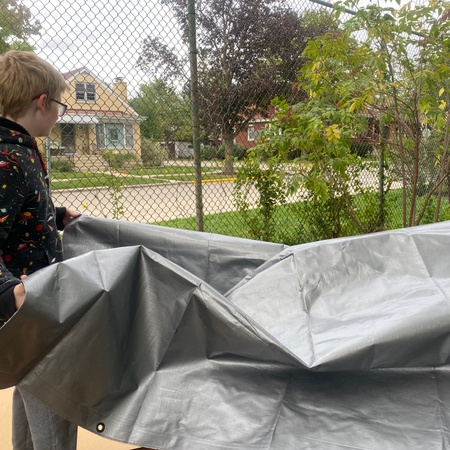
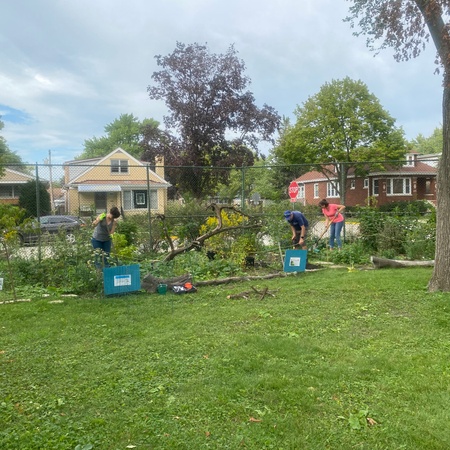
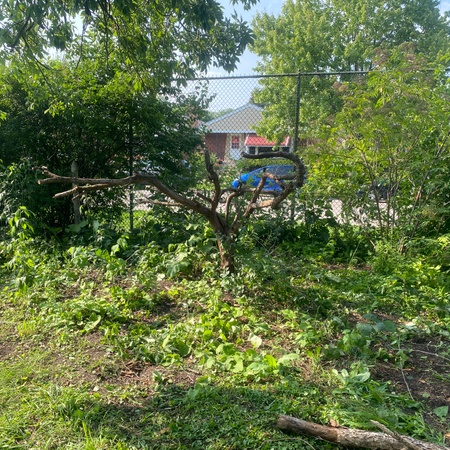
Also we began removing the almost dead Juniper. Will bring the chainsaw back another day to finish it off. Then we can weed and lay tarps to protect the space for tree planting. We also confirmed we could get a nice lovely service berry in the natives garden, look at all that afternoon sunshine !

Julie Roth
Julie Roth

Food Forest Action Plan for Proksa Children’s Garden:


Timeline:

We immediately held two meetings this week for interested people as meet and greet work days.  Everyone was introduced to each other and the kids began helping map out the spaces we have available to work with the tape measures.  We currently have the kids researching fruit trees that will do well in our climate.  They will report back next week on which varieties will do best and if they need a pollinator partner. 


We already meet at the garden most weeks for watering,  maintenance and harvesting, so we will continue to do so until the planting locations are prepared and ready for fall planting. We will be assigning tasks that need to be done before fall planting for volunteers to sign up for. 


Plantings will be divided into fall and spring plantings, based on the requirements for each species we select as some do better depending on season. 


Budget:

The majority of the budget will go to creating our overstory, understory and shrub layers that will all be fruit bearing plants. We will spend most of the funds at the tree level, selecting a few shrubs with remaining funds that can be split and propagated by our garden volunteers. (Like currants). 


Our garden has rabbits which will require us to invest in fencing and stakes to protect trees through the winter months and the first few years of growth.


Due to some invasive weeds, we will need to purchase a handful of tarps to smother areas for spring planting once cleared to make room for more trees. 


We will also need a few bags of mulch to put around the base of each plant to keep their roots protected. 


If we add blueberries, we will need to amend the soil to make it more acidic with something like leaf mold or peat moss. 


Impact: 

We plan on designing the fruit trees into clusters of edible food forest designs at the children’s garden that we have been working on for several years now. In our community, we have very small yards, so plant size is always an issue. We want to use our food forest to show the community how they can successfully plant a wide variety of fruit crops in small spaces using a variety of dwarfed species.  


One thing the kids want to do is add unusual fruits into the selection process. We inherited pawpaws in our space and they are very popular with visitors, who come back often to see their progress. The kids are looking at figs, persimmon, donut peaches and a few other species that engage our visitors. 


In the future, we are hoping to get ample fruit bearing crops to help support the community fridge that is just a few blocks away from our location with a variety of fresh fruits.  We have been donating extra produce to the local food pantry for several years now. 


Participation:

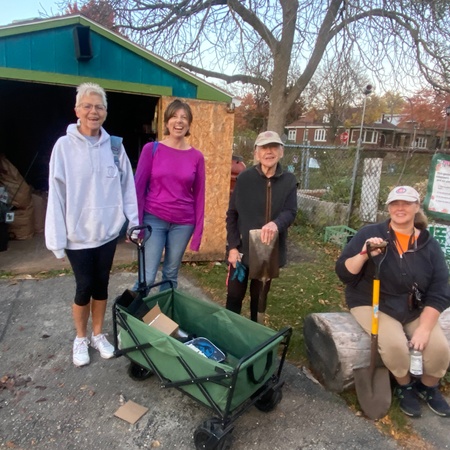
As far as participation, we have about 10 people interested in the design process, three being youth and several more (adults and kids) that will come help prep areas as needed once tasks are assigned. Our group is about 30 people in total  that currently volunteer at the garden each summer.  We will also engage visitors by showing them how to care for the plants and harvest  fruit, allowing them to participate along side us.


Once trees begin producing, another measurable goal will be the amount of food donated to the community, but we will set those goals once the trees start producing. 


Location: 

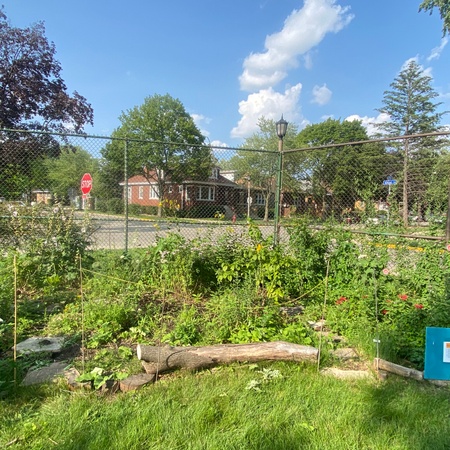
We maintain about a half acre of Proksa Park, with the children’s garden taking up a large amount of that space.  We have been clearing out spaces that were overgrown and underused that will work great for this new project. This is a continuous agreement with the park district and we have freedom to plant as we like in our space. 


Kid Leaders:

We have three kid leaders so far who have volunteered to help in the research and planning process. They are very excited about the idea of fruit crops and will do much of our plant selection and mapping out the dimensions of the available spaces, with us guiding them on planting, sizing and care requirements.


They will also be able to work  alongside our adult volunteers to help prep the spaces for the trees as well as helping when it’s actual planting time.  Families will then be tasked with maintenance and watering schedules to make sure our trees remain healthy.

 

Lindsey Bartholomew beigetreten Berwyn Food Forest ein Open Orchard Gruppe fast 3 Jahre vor
Christine Lojewski beigetreten Berwyn Food Forest ein Open Orchard Gruppe fast 3 Jahre vor
Renee Knowles beigetreten Berwyn Food Forest ein Open Orchard Gruppe fast 3 Jahre vor

Über Berwyn Food Forest

Kommende Veranstaltungen
Es gibt keine kommenden Veranstaltungen
Wer ist beteiligt

Julie Roth
Julie Roth
Gesprächspartner

Team & Mitglieder (6)

×