The link you followed was in the Argentina region, you are viewing this page in your region.

Community Composting brings neighbours together to tackle food waste through collective action, making professional composting services accessible and affordable for everyone involved.

Food waste is the largest category of material in municipal landfills, where it creates methane, a powerful greenhouse gas. Individual home composting can't handle meat, cheese, bones, or biodegradable packaging, but community-scale collection provides enough volume for professional composting companies to process all organic waste effectively.

This initiative works for any community group—churches, schools, neighbourhood associations, workplaces, or community gardens. By pooling resources, you can employ a local composting company to collect from a centralised location, providing bins and regular pickups that handle all food waste and compostable materials.

The finished compost often returns to local farmers, creating higher-yield crops and reducing chemical fertiliser needs. If your group runs a community garden, you can use the compost directly to fertilise your soil. You'll receive starter kits, clear guidelines on what can be composted, and regular impact reports showing the weight of waste diverted and carbon emissions prevented.

Community Composting brings neighbours together to tackle food waste through collective action, making professional composting services accessible and affordable for everyone involved.

Food waste is the largest category of material in municipal landfills, where it creates methane, a powerful greenhouse gas. Individual home composting can't handle meat, cheese, bones, or biodegradable packaging, but community-scale collection provides enough volume for professional composting companies to process all organic waste effectively.

This initiative works for any community group—churches, schools, neighbourhood associations, workplaces, or community gardens. By pooling resources, you can employ a local composting company to collect from a centralised location, providing bins and regular pickups that handle all food waste and compostable materials.

The finished compost often returns to local farmers, creating higher-yield crops and reducing chemical fertiliser needs. If your group runs a community garden, you can use the compost directly to fertilise your soil. You'll receive starter kits, clear guidelines on what can be composted, and regular impact reports showing the weight of waste diverted and carbon emissions prevented.

Shamar Smith joined FCCLA Community Compost a Community Composting group about 2 years ago
Jamorion Slayton joined FCCLA Community Compost a Community Composting group about 2 years ago
Victoria E. Worley
Victoria E. Worley

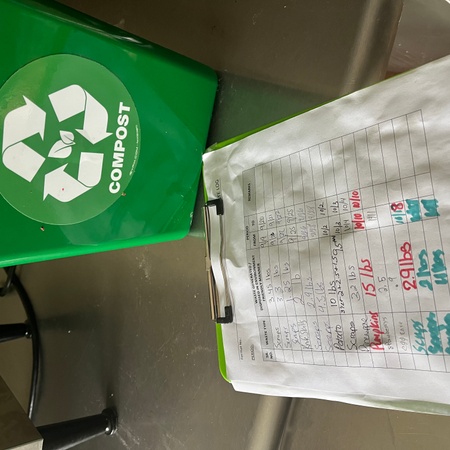
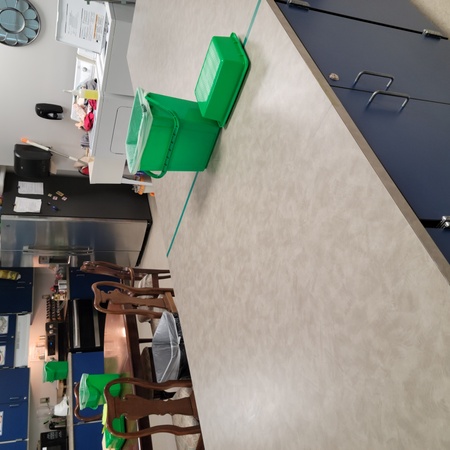
Our Middle School is up and running with composting stations. We will be adding a Compost Tumbler for the community to use there as well. At the High School we have saved over 100 take out containers from the landfill. We’ve also used compostable cutlery to cutdown on plastic waste. Over all our class has composted more than 100 lbs of food waste. We have a compost worm farm on site as well. Students are excited to share our sustainability progress with the community.
Victoria E. Worley
Victoria E. Worley

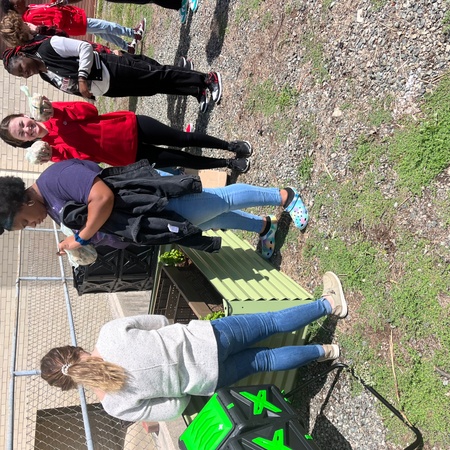
All three composters are up and running!
Victoria E. Worley
Victoria E. Worley

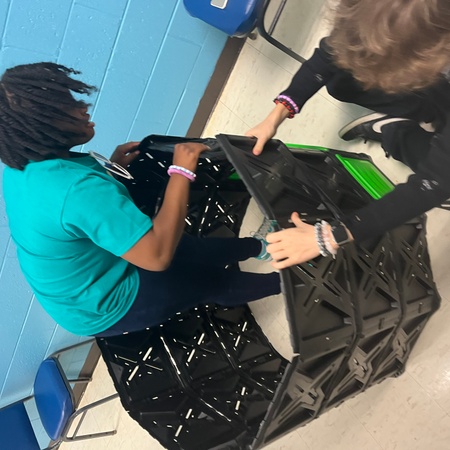
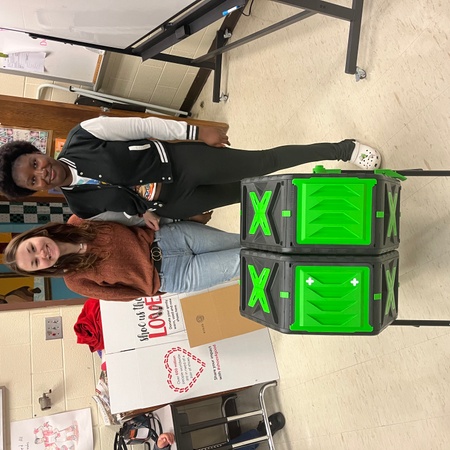
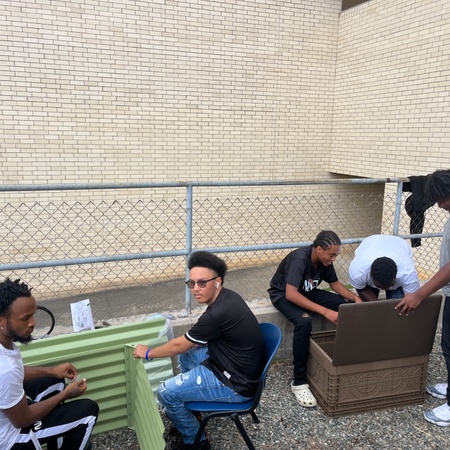
Students finished up work on composters today! In total we have 3 outdoor composters.
Victoria E. Worley
Victoria E. Worley

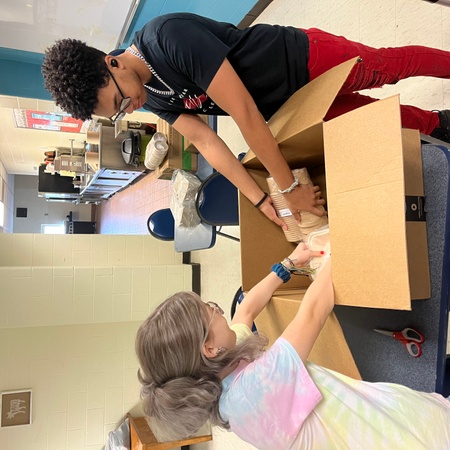
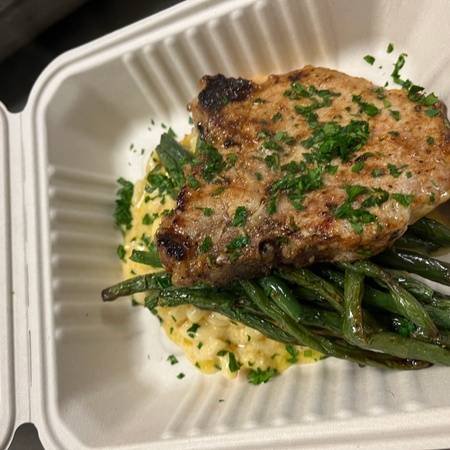
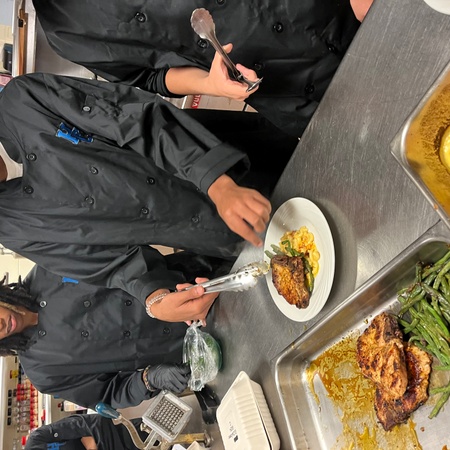
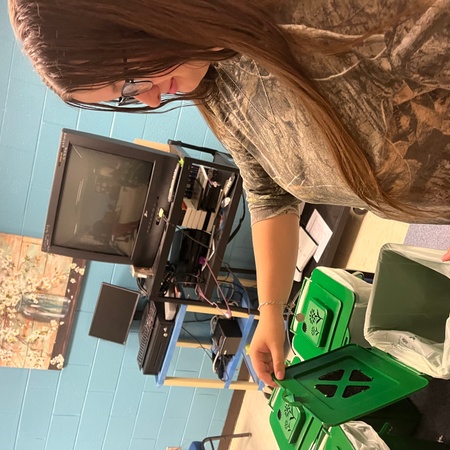
Our first meal sent out with compostable containers and cutlery! Teachers have a compost can in the teachers lounge.
Victoria E. Worley
Victoria E. Worley

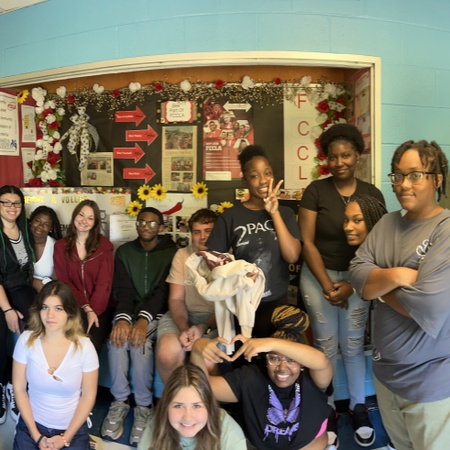
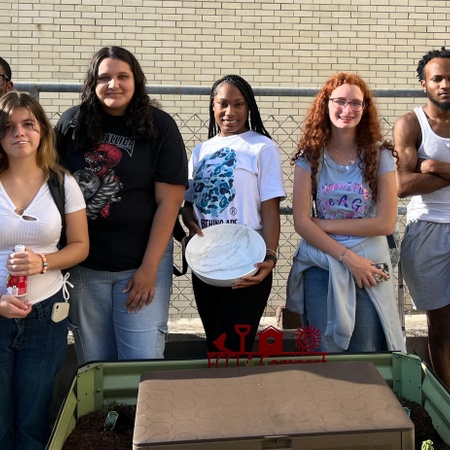
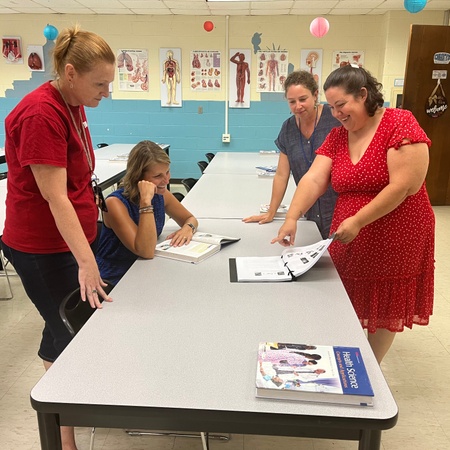
Students met September 5th with our Middle School Chapter. We discussed distributing compost containers next meeting. Students worked on worming composting and discussed various sustainability challenges. We plan to present our work at the 2024 VA FCCLA conference.
Victoria E. Worley
Victoria E. Worley

Our supplies are trickling in. Students are setting up composting bins in the kitchen. Outdoors we started our compost garden with worms today.
Victoria E. Worley
Victoria E. Worley

Action plan:

Timeline: project will begin September 5th will all high school and middle school students involved. Students will be brainstorming prior. As soon as composters and bins are ordered we will get going. 

Budget: compost turner, 6 compost kitchen containers, 2 large compost containers for middle and high schools, compostable containers and disposable silverware, PR materials. 

Impact: we plan to start with secondary education and collaborate with agricultural classes. We are working with local farmers market to do educational demonstrations. We will weigh and have measurable goals of compostable materials. 

Location: Yes we have permission from school administrators. 


  • We have identified students at the middle school and high school level who are helping with the sustainability aspect of the project.


  • Students in class and our CTSO will all be working on this project. 


Rebecca Saunders joined FCCLA Community Compost a Community Composting group almost 3 years ago
Journey Payne joined FCCLA Community Compost a Community Composting group almost 3 years ago
Denise Barksdale joined FCCLA Community Compost a Community Composting group almost 3 years ago
Chase Womack joined FCCLA Community Compost a Community Composting group almost 3 years ago
Colleen Barnes joined FCCLA Community Compost a Community Composting group almost 3 years ago
Bridget L. Comer joined FCCLA Community Compost a Community Composting group almost 3 years ago

About FCCLA Community Compost

Upcoming Events

There are no upcoming events

Who's Involved

Victoria E. Worley
Victoria E. Worley
Contact Person

Team & Members (9)

×